Kcmuz Home & Kitchen Ideas Necessity Plumbing Services Ensuring Effective And Competent Home Systems

Necessity Plumbing Services Ensuring Effective And Competent Home Systems

The worldly concern of plumbing system is a crucial component of our Bodoni homes, and having a comprehensive examination sympathy of common plumbing services can help homeowners exert their prop’s functionality and value. Having a vocalise plumbing system model is not just about convenience; it plays an requirement role in maintaining specific hygienics and wellness standards, especially in densely inhabited neighborhoods. Consistent -ups and preventive sustentation help in identifying problems before they intensify into larger issues. From instalmen to verify to regular sustenance, professional plumbing services are indispensable.

One scene of plumbing services involves the installing of various plumbers in belleville systems. It includes the validation of pipes, fixtures, valves, and other apparatus necessary for the cater of irrigate for imbibition, warming and lavation, and waterborne run off remotion. A professional plumber uses sophisticated tools and a meticulous go about to ensure that the system will function aright and bear on to do so for a long time. Each pipe and reparatio installed contributes to the overall effectiveness of the prop’s irrigate ply and sanitation.

Another key serve offered by plumbers is resort and sustentation. This covers a thick straddle of tasks from run out cleanup to repairing leaks, clearing pipes, checking for corrosion, and overall system inspections. Sometimes, it may seem more sparing to employ a spot fix for kid leaks or blockages, but a professional person pipe fitter views the system of rules holistically and can place if bridge solutions will lead to more significant problems down the line. Regular sustentation checks are indispensable to see to it your plumbing system of rules clay in best .

Furthermore, plumbing services also let in upgrading or replacing plumbing fixtures. As a householder, you may settle to renovate your lavatory or kitchen or supercede an old irrigate heater. Upgrading fixtures not only enhances the look of the prop but also increases its and overall value. Experienced plumbers ply requisite steering in choosing the right fixtures, taking into describe factors such as water hale, with present systems, and the long-term sustainability of the choices made.

In conclusion, professional plumbing services are much more than a piece-up job for leaks and blockages; they form the backbone of a well-maintained and hygienical home. Effective plumbing services assure water comes out when we turn on the tap, our toilets sluice right, and we receive hot irrigate for our showers. They wield the integrity of our homes, put up to world hygiene, and even protect situation resources by preventing gratuitous water wastage. So next time you run into an cut with your plumbing system system, remember the extensive straddle of services that these professionals cater and the critical role they play in our lives.

Related Post

Outdoor Rubber Mats Designed for ComfortOutdoor Rubber Mats Designed for Comfort

When it comes to enhancing outdoor spaces, ensuring both safety and comfort is a top priority. Outdoor Rubber Mats are one of the most effective solutions for creating a secure, cushioned, and stylish outdoor environment. These mats not only provide traction and durability but also add an element of comfort to patios, decks, gardens, entryways, and high-traffic outdoor areas. In this comprehensive guide, we will explore the features, benefits, types, installation, and maintenance of Outdoor Rubber Mats designed specifically for comfort. Additionally, we will examine how rubber floor mats can transform your outdoor space into a functional and inviting area.

Why Comfort Matters in Outdoor Spaces

Outdoor spaces are extensions of our homes and commercial properties. Whether it is a porch, backyard, patio, or workplace entrance, these areas are frequently used for relaxation, gatherings, or functional purposes. Comfort is crucial because it directly impacts how enjoyable and safe these spaces feel. Walking or standing on hard concrete, uneven ground, or slippery surfaces can cause fatigue and even injuries. This is where Outdoor Rubber Mats come in to provide a cushioned, slip-resistant surface that makes movement and standing more comfortable.

Key Benefits of Outdoor Rubber Mats for Comfort

Outdoor Rubber Mats are designed with a variety of features that enhance comfort and usability. Some of the key benefits include:

  • Cushioning and Shock Absorption: The rubber material provides a soft, resilient surface that absorbs impact and reduces strain on feet, knees, and back.
  • Slip Resistance: Wet outdoor surfaces can be hazardous, but rubber floor mats are designed with textures and grooves that provide traction even in rainy or snowy weather.
  • Weather Resistance: Outdoor Rubber Mats can withstand extreme temperatures, UV exposure, and moisture without cracking or warping.
  • Noise Reduction: The cushioning nature of rubber helps dampen sound, making your outdoor area more peaceful.
  • Versatile Aesthetics: These mats come in various designs, sizes, and colors that complement different outdoor settings.

Types of Outdoor Rubber Mats for Comfort

There are multiple types of Outdoor Rubber Mats designed to meet different needs. Understanding each type can help you select the most suitable one for your space.

1. Anti-Fatigue Outdoor Rubber Mats

These mats are specifically designed for areas where people stand for extended periods, such as outdoor kitchens, garden workstations, or entryways. Their ergonomic design minimizes fatigue and enhances posture.

2. Interlocking Rubber Floor Mats

These mats consist of puzzle-like pieces that can be assembled to cover large areas. They offer flexibility, easy installation, and customizable coverage for patios and play areas.

3. Drainage Outdoor Rubber Mats

Perfect for wet environments like poolside areas or outdoor showers, these mats have perforated surfaces that allow water to drain quickly, keeping the surface dry and safe.

4. Decorative Rubber Floor Mats

These mats combine style with comfort, featuring elegant patterns and colors that enhance the aesthetics of porches and entrances while maintaining their cushioning benefits.

How Outdoor Rubber Mats Improve Safety and Comfort

Outdoor Rubber Mats are not just about style; they play a critical role in safety. The slip-resistant surfaces prevent accidents during rainy weather or snowmelt. Additionally, the cushioning minimizes the risk of injuries caused by falls. For homes with children or elderly residents, installing Outdoor Rubber Mats in high-traffic areas provides both peace of mind and comfort.

Installation Guide for Outdoor Rubber Mats

Installing rubber floor mats is generally simple and does not require professional expertise in most cases. Here is a step-by-step guide:

  1. Measure the Area: Determine the size of the space where you plan to place the mats.
  2. Clean the Surface: Ensure the area is free of debris, dirt, or moisture.
  3. Choose the Right Type: Select mats based on intended use (anti-fatigue, drainage, decorative, etc.).
  4. Lay the Mats: For standalone mats, simply place them where needed. For interlocking mats, assemble them securely.
  5. Secure if Necessary: In windy or high-traffic areas, use adhesive or fasteners for added stability.

Maintenance and Care of Outdoor Rubber Mats

Outdoor Rubber Mats are known for their durability, but proper maintenance ensures they remain comfortable and visually appealing for years.

  • Regularly sweep or rinse off dirt and debris.
  • Use mild soap and water for deep cleaning.
  • Avoid harsh chemicals that may degrade the rubber.
  • Store mats indoors during extreme weather if they are lightweight or decorative models.

Where to Use Outdoor Rubber Mats for Maximum Comfort

The versatility of Outdoor Rubber Mats makes them suitable for various settings:

  • Home Entrances: Keep dirt outside while providing a comfortable step for guests.
  • Patios and Decks: Create cozy outdoor seating areas.
  • Poolside and Spas: Enhance safety and comfort in wet areas.
  • Workshops and Garages: Reduce fatigue for prolonged standing.
  • Garden Paths: Provide a stable walking surface over uneven ground.

Environmental Benefits of Rubber Floor Mats

Many Outdoor Rubber Mats are made from recycled materials, making them an eco-friendly choice. Repurposing old tires and industrial rubber into functional mats reduces waste and promotes sustainable living.

Cost Considerations

The cost of Outdoor Rubber Mats varies depending on material quality, thickness, size, and design. While basic mats may be inexpensive, high-quality rubber floor mats designed for comfort and heavy-duty use offer better long-term value by reducing the need for replacements.

Choosing the Right Outdoor Rubber Mats

To select the best mats for your needs, consider the following factors:

  • Purpose: Are you prioritizing comfort, safety, or aesthetics?
  • Weather conditions: Choose UV-resistant and weatherproof mats for exposed areas.
  • Maintenance: Opt for easy-to-clean mats for high-traffic locations.
  • Budget: Balance affordability with quality and longevity.

Conclusion

Outdoor Rubber Mats are an excellent investment for anyone looking to enhance comfort, safety, and style in outdoor spaces. Whether it is a cozy backyard, a busy commercial entrance, or a poolside relaxation zone, these mats provide cushioning, durability, and slip resistance that improve everyday life. By choosing the right rubber floor mats, you can create a welcoming environment that prioritizes both practicality and comfort. With proper installation and maintenance, Outdoor Rubber Mats can serve you for many years, making them a worthwhile addition to any property.

20 Recommended Ways For Deciding On A Chinese Bathroom Vanity Manufacturer20 Recommended Ways For Deciding On A Chinese Bathroom Vanity Manufacturer


Top 10 Ways To Evaluate The Customization Options Of A Chinese Furniture Manufacturer
Here's a step-by-step guide to aid you in understanding the possibilities of customization for a Chinese furniture company such as OPPEIN.
1. Learn about the Customization Options:
Begin by exploring the extent of customization options that the manufacturer provides. The manufacturer should provide options in terms of colors, sizes and shapes along with the materials and finishes. A reliable manufacturer should offer many options to ensure their products will meet different design styles and functional needs. Request a catalog or a portfolio of previously customized projects to get a sense of their capabilities.

2. Find out more about design flexibility:
Check the flexibilities of the manufacturer with regard to design changes. Do they accept modifications made by clients? Finding a designer who allows modifications to their designs is crucial regardless of whether you're altering the dimensions of a product in order to fit in a certain space or altering a feature to increase functionality. You must discuss your specific requirements with the manufacturer and see the degree of flexibility they show.

3. Explore the Options for Material
Furniture should be customized in terms of the materials it is constructed out of. When you are contacting us about the options for customization, make sure you ask information on wood types and laminates. Once you are aware of the various types of materials, you can select options that satisfy your aesthetic as well as functional requirements.

4. Examine Color and Finish Choices:
A company that offers various finishes and colors will assist you in creating a unique design for your furniture. Request samples of colors and finishes available and ask whether they are able to create custom colors. Quality finishes can dramatically alter the look and durability of the furniture, so it's essential to evaluate the quality of your furniture in depth.

5. Assess Design Software and Tools
Many modern furniture makers use software that allows customers to visualize their custom order. If the manufacturer is equipped with such tools in place, they could enhance customization and make it more engaging and effective. This technology allows you to design and alter designs in a short time which gives a clearer image of the finished product before production begins.

6. Review Custom Projects that have been completed previously:
Look for cases studies or samples of prior custom projects executed by the company. It will let you know their capabilities and experience dealing with custom orders. Be aware of the range and difficulty of the project as well as testimonials from clients regarding the design and quality of the final product.

7. Examine Communication During Customization
Communication is vital in the process of customization. Consider the manner in which the company communicates design options as well as timelines and other issues to customers. A clear and responsive communication approach can dramatically improve the experience of customization, while ensuring that your requirements are understood and met.

8. Contact us to inquire about the lead time for customized orders:
Custom furniture could take longer to produce than standard products. A manufacturer's lead times on custom orders is important to be aware of. Ask if the company can meet urgent requests. Understanding the timeline can help you plan the task. This is particularly important in the case of an individual project or have a deadline.

9. Learn about the order process:
Be familiar with the process of ordering custom furniture. From the initial design discussions to final approval and delivery, ask about all steps. A well-defined process can help you navigate through changes without a hitch and ensure every detail is accurately recorded and implemented.

10. Review After-Sales Support for Custom Projects:
For after-sales support, ask about it particularly for furniture that is custom. It covers guarantee, replacement parts and support for any problems that may occur after delivery. After-sales support from a manufacturer will demonstrate a commitment to the customer and quality of customized products.

To conclude, evaluating customization options from a Chinese furniture manufacturer such as OPPEIN will require a thorough analysis of several factors including design flexibility and material selections in addition to communication effectiveness. These suggestions can help you make sure that the furniture maker can meet your expectations and requirements. Take a look at the top rated OPPEIN for more examples including luxury kitchen designs, types of kitchen cabinets, cabinet kitchen modern, kitchen cabinets ideas, kitchen modern kitchen, custom kitchens and cabinets, modern style kitchen, black kitchen cabinets modern, build kitchen cabinets, luxury design kitchen and more.

Top 10 Tips To Evaluate The Competitiveness Of Chinese Furniture Manufacturers
Here is a comprehensive guide to evaluating OPPEIN's pricing competitiveness, especially when you are considering custom furniture, such as cabinets for kitchens and wardrobes.
1. Conduct market research:
Conduct thorough market research in order to gain a better knowledge of the price for comparable furniture. Compare prices between domestic and global producers of the same category. This will give you an estimate to help decide if the manufacturer offers competitive prices.

2. Request Quotes in Detail:
Request specific quotes directly from the producers of the products that appeal to you. Ensure that these quotes include the breakdown of expenses like material, labor, customization shipping, as well as any additional costs. You can compare prices more efficiently with other companies if you receive a transparent quotation.

3. Evaluation of Product Quality and Pricing
By comparing the costs of various furniture makers, you can find out the quality and price. Prices can sometimes indicate inferior quality, whereas high prices can be justified by superior materials or craftsmanship. You can evaluate the quality of the item by requesting samples or visiting the showroom.

4. Addition Costs Analysis:
It is also important to consider additional costs that may be associated with the purchase of furniture. Included in this is shipping charges and customs duty. Knowing the total cost can aid you in determining the manufacturer's price competitiveness.

5. Compare Customization Costs:
Find out the price of customization if you want customized furniture. Some manufacturers will charge more for customized designs while others may have a cheaper rate. Examine these costs to find the one that provides the most value for money.

6. Research Discounts and Promos:
You should inquire if the manufacturer has any loyalty or promotional programs or discounts that could lower your overall cost. Manufacturers often offer seasonal or promotional deals to improve price competition. The sales and promotions could be a great way to cut costs.

7. Review Payment Terms
Be aware of the conditions and terms of the company. Flexible payment options can make huge differences on the price of your order. For instance, manufacturers who permit staggered payments or provide financing options could provide a more cost-effective pricing, particularly for larger orders. Knowing these terms is crucial for budgeting.

8. Find out if there's any price-matching policies in place:
Find out from the manufacturer their policy regarding price match. Certain companies will match or beat prices from competitors for similar products. This is an excellent option to ensure that you are getting the most competitive price without sacrificing product quality. This knowledge can help you gain an edge in negotiations.

9. Evaluate Long-term Value:
When you are evaluating the furniture, think about the potential for long-term use. Consider factors such as the durability, warranties, as well as possible maintenance costs. A higher initial cost could be justified if the furniture is more robust and requires less maintenance over time, offering greater value in the long term.

10. Request feedback from previous buyers.
Finally, reach out to other customers or industry experts to collect feedback about the company's pricing and competitiveness. Review sites, online forums as well as social media forums will provide insight from people who have worked working with the manufacturer. These experiences can aid in making better decisions about the price as well as overall quality.

In conclusion, assessing the competitiveness of prices offered by a Chinese furniture manufacturer like OPPEIN involves a comprehensive approach that includes market research, detailed quotes, evaluation of extra costs, as well as the long-term impact of a purchase. The following tips will help you make an informed investment choice. Take a look at the top kitchen manufacturers for website recommendations including two tone cabinets, pictures of kitchen cupboards, white modern kitchen, ar moire, modern kitchens with wood cabinets, luxury kitchen cupboards, kitchen cabinet design ideas, kitchen cabinets door, wardrobe cabinet, cabinet ideas and more.


What Causes A Weak Toilet Flush?What Causes A Weak Toilet Flush?

A weak toilet flush is more than just a minor inconvenience—it can be the start of bigger plumbing headaches if ignored. Imagine pressing the handle, expecting a swift swirl and a clean bowl, only to be met with sluggish water movement and lingering debris. Frustrating, right? The truth is, this common issue often signals deeper concerns lurking within your plumbing system. From mineral buildup narrowing the water flow, to hidden clogs disrupting efficiency, to worn-out internal components, every cause has a story. Left unresolved, the problem can escalate, leading to water waste, unpleasant odors, and costly repairs.

The good news? Weak flushes are not unsolvable mysteries. With proper diagnosis and timely attention, your bathroom can return to peak performance. Whether it’s a simple adjustment, a thorough cleaning, or professional Toilet Repair Las Cruces NM services, solutions are well within reach. By understanding what triggers this problem, you’ll not only restore strong, reliable flushing power but also extend the life of your entire plumbing system. Don’t settle for mediocrity in such an essential household fixture—learn what causes a weak toilet flush and take action before minor issues turn into major disruptions.

Understanding How a Toilet Flush Works

Before we break down why flushing power weakens, it’s important to understand how the system is supposed to work. A standard toilet relies on a combination of gravity, water pressure, and design to efficiently move waste.

  1. The Tank Fill – Water fills the tank after each flush. The float mechanism stops the fill valve once the tank reaches its designed water level.

  2. The Flapper Release – Pressing the handle lifts the flapper, releasing water from the tank into the bowl.

  3. Siphon Action – Water rushes through rim holes and the siphon jet, creating a powerful swirling effect.

  4. Waste Removal – The force pushes waste through the trapway and into the drain line.

If any part of this process fails—whether it’s not enough water, restricted flow, or poor siphon action—the result is a toilet weak flush.

Common Causes of a Weak Toilet Flush

1. Low Water Level in the Tank

The most common culprit behind a weak toilet flush is insufficient water in the tank. Without the proper volume, there isn’t enough pressure to push waste effectively.

  • Causes of low water level:

    • Faulty float ball or cup preventing tank from filling fully.

    • Malfunctioning fill valve cutting off supply too early.

    • Water supply issues restricting flow into the tank.

  • Fix: Adjust the float to allow more water in. If that fails, replace the fill valve.

2. Clogged Rim Holes

Over time, mineral deposits from hard water or debris can clog the small holes under the toilet’s rim. These holes are responsible for directing water into the bowl, aiding the swirling action.

  • Signs: Water trickles unevenly, and the flush lacks its usual circular force.

  • Fix: Use a wire hanger or vinegar solution to unclog rim holes and restore flow.

3. Flapper Valve Issues

A worn-out or misaligned flapper valve is another leading cause of weak flushing toilet problems. If the flapper closes too soon, water doesn’t have enough time to release fully into the bowl.

  • Signs: The flush feels incomplete, and the tank refills unusually fast.

  • Fix: Inspect and replace the flapper with a properly sized one.

4. Mineral or Sediment Build-Up

Hard water can wreak havoc on your plumbing. Calcium and lime deposits narrow water pathways inside the toilet, reducing flushing efficiency.

  • Signs: Visible scaling around the siphon jet or rim holes.

  • Fix: Use a descaling solution like vinegar or a commercial cleaner to dissolve deposits.

5. Blocked Siphon Jet

The siphon jet (the large hole at the bottom of the bowl) is crucial for initiating the flush’s powerful suction. If it’s blocked, flushing power drops significantly.

  • Signs: Flush seems weak and doesn’t create enough siphon.

  • Fix: Scrub or unclog the siphon jet with a brush and vinegar.

6. Partial Toilet Clogs

Sometimes, the issue isn’t the tank or bowl mechanics but a toilet partially clogged. Paper buildup, wipes, or small objects can restrict water flow, weakening the flush.

  • Signs: Bowl drains slowly, sometimes requiring multiple flushes.

  • Fix: Use a plunger or toilet auger to clear partial blockages.

7. Problems in the Drain Line

If your toilet and other fixtures are draining slowly, the issue may extend beyond the toilet. A clogged or obstructed drain line can compromise flushing power.

  • Signs: Gurgling sounds in other drains, water backing up.

  • Fix: Professional plumbing inspection may be necessary.

8. Vent Stack Blockage

The vent stack on your roof allows air into your plumbing system, preventing pressure imbalances. If blocked by debris, leaves, or a bird’s nest, it can reduce toilet flushing efficiency.

  • Signs: Gurgling noises after flushing, sewer smells, and weak flush.

  • Fix: Clear the vent stack—this usually requires climbing onto the roof.

9. Older Toilet Design

Older toilets, especially pre-1994 models, use less efficient designs. They may simply not generate the same power as modern high-efficiency toilets (HET).

  • Solution: Upgrading to a newer model may solve recurring toilet flush problems.

How to Diagnose a Weak Toilet Flush

When dealing with a weak flush toilet, follow these steps to identify the root cause:

  1. Check water level in tank – It should sit about an inch below the overflow tube.

  2. Inspect flapper operation – Lift the lid and watch if it stays open long enough.

  3. Examine rim holes and siphon jet – Shine a flashlight to check for blockages.

  4. Plunge test – Rule out clogs with a few plunges.

  5. Check venting – Listen for unusual noises in nearby drains.

Preventing Future Weak Flushes

Regular Cleaning and Maintenance

  • Use vinegar or baking soda monthly to prevent mineral buildup.

  • Avoid chemical drain cleaners, which can damage porcelain.

Mind What You Flush

  • Only flush toilet paper and waste. Avoid wipes, sanitary products, or paper towels.

Annual Professional Inspection

  • A plumber can spot early issues in flappers, valves, or venting before they cause a toilet flush weak problem.

DIY Fixes vs. When to Call a Plumber

Some weak flush issues can be fixed in minutes:

  • Adjusting the float.

  • Replacing a flapper.

  • Cleaning rim holes with vinegar.

However, if you’re dealing with drain line clogs, vent stack blockages, or recurring weak flush despite DIY fixes, it’s time to call a licensed plumber.

Conclusion

A weak toilet flush can feel like a minor nuisance, but it often signals bigger issues waiting to unfold. From low water levels and flapper valve problems to clogged rim holes or even vent stack blockages, the causes are many—but the solutions are clear.

By learning how to diagnose and address these problems, you not only restore flushing power but also extend the lifespan of your toilet and plumbing system. Regular maintenance, mindful usage, and timely repairs ensure that your toilet delivers the strong, reliable flush it was designed for.

So the next time your flush feels underwhelming, don’t ignore it. Use this guide as your step-by-step troubleshooting companion and regain control over your bathroom’s most essential fixture.

What Does Hardiness Zone Mean For Gardening?What Does Hardiness Zone Mean For Gardening?

Imagine planting a vibrant rose bush or a luscious vegetable patch, only to watch it wither in frost or languish under an unexpected heatwave. Frustrating, isn’t it? This is where understanding hardiness zones transforms your gardening from a gamble into a science. A hardiness zone isn’t just a number on a map—it’s a compass guiding you through the intricate dance of climate, soil, and plant resilience. By knowing your zone, you gain the power to select flora that not only survives but thrives, turning your outdoor space into a flourishing sanctuary.

Gardening success hinges on more than just watering schedules or soil quality; it demands insight into the subtle climatic nuances that dictate plant survival. With the right knowledge, you can cultivate a garden teeming with life year-round, while avoiding costly mistakes that plague inexperienced gardeners. Incorporating garden tips decoradhouse, like strategic plant placement and seasonal adjustments, can elevate your green space from ordinary to extraordinary.

Don’t let uncertainty dictate your garden’s fate. By mastering hardiness zones, you unlock the secret to a sustainable, vibrant, and resilient garden. Step confidently into a world where your choices align with nature’s rhythms, ensuring every seed sown bears fruit, bloom, or leaf exactly when it should.

What is a Hardiness Zone?

Definition and Purpose

A hardiness zone is a geographically defined area that indicates the average minimum temperature that a region experiences during winter. These zones were developed to help gardeners determine which plants can survive and thrive in a particular area’s climate. Each zone is defined by a 10°F range of average annual minimum temperatures, with subzones “a” and “b” dividing the 5°F increments to provide even more precise guidance.

The main purpose of a hardiness zone is to help gardeners avoid wasting time and resources planting plants that cannot survive the winter. It is a predictive tool, allowing you to match the cold tolerance of plants with the conditions they are likely to face in your garden.

History of Hardiness Zones

The concept of hardiness zones was popularized in the United States in 1960 by the United States Department of Agriculture (USDA). The USDA Hardiness Zone Map divided the country into zones based on average annual minimum winter temperatures. Since then, the system has become widely adopted by gardeners worldwide, providing a scientific and practical way to guide gardening decisions.

Understanding the origins of hardiness zones helps gardeners appreciate their reliability and why they remain an essential reference for choosing plants that will thrive in specific climates.

How Hardiness Zones Affect Gardening

Plant Selection

One of the most significant impacts of understanding hardiness zones is the ability to choose the right plants for your garden. Plants have varying levels of cold tolerance, and selecting species that fall within your zone increases the likelihood of survival and robust growth. For instance, a Zone 5 garden will support plants that can survive minimum temperatures of -20°F to -10°F, while a Zone 9 garden allows plants that can handle minimum temperatures of 20°F to 30°F.

By selecting plants suited to your hardiness zone, you can reduce the risk of winter dieback, poor growth, and wasted effort.

Seasonal Planning

Hardiness zones are not only about surviving winter—they also guide the timing of planting and harvesting. Knowing your zone helps determine the appropriate planting dates for vegetables, flowers, and perennials. Early bloomers or frost-sensitive plants can be scheduled after the last expected frost, while cold-hardy crops can be planted well before winter arrives.

This knowledge transforms your gardening from a guessing game into a precise, seasonal strategy.

Protecting Your Garden from Frost

Frost can devastate a garden overnight. Understanding your hardiness zone allows you to implement protective measures, such as mulching, using cold frames, or bringing potted plants indoors. By anticipating the risks posed by local climate conditions, you can extend the growing season and protect delicate blooms from freezing temperatures.

Understanding the USDA Hardiness Zone Map

How the Map Works

The USDA Hardiness Zone Map assigns numerical zones based on the average annual minimum temperature. Zones range from 1 (coldest) to 13 (warmest), with each zone reflecting a 10°F range. Subzones “a” and “b” indicate 5°F differences to allow gardeners to fine-tune plant selection.

For example:

  • Zone 4a: -30°F to -25°F

  • Zone 4b: -25°F to -20°F

This level of detail allows gardeners to match specific plants to their unique local conditions.

Reading Your Zone

To determine your hardiness zone, consult your USDA map or similar national resources. Locate your region and note the zone number and subzone. This information is critical when purchasing plants or seeds, as most seed packets and plant labels include hardiness zone recommendations.

Understanding your zone provides a framework for all future gardening decisions.

Global Perspective: Hardiness Zones Beyond the U.S.

While the USDA map is widely recognized, many countries have developed their own systems to reflect local climate conditions. Canada, Europe, Australia, and other regions have comparable hardiness zone maps. These systems help gardeners worldwide understand which plants can survive their unique environments.

Regardless of location, the concept remains the same: hardiness zones indicate cold tolerance and guide plant selection, ensuring a thriving garden.

Practical Applications of Hardiness Zones in Gardening

Choosing the Right Plants

Selecting plants suited to your zone is the most straightforward application of hardiness zones. Annuals, perennials, shrubs, and trees all have recommended zones. By staying within these ranges, gardeners can maximize growth, reduce stress on plants, and enjoy a more resilient garden.

Extending the Growing Season

Knowledge of hardiness zones also allows you to extend your growing season. Cold frames, greenhouses, row covers, and protective mulches can shield plants from unexpected frost, enabling earlier planting in spring and later harvests in fall. Zone-specific strategies can make your gardening year-round, even in harsher climates.

Planning Mixed Plantings

Gardens often include a mix of plants with different tolerances. Understanding your hardiness zone helps you strategically place cold-sensitive species in protected areas, while more resilient plants can occupy exposed locations. This approach optimizes garden layout and ensures high survival rates across diverse plantings.

Hardiness Zones and Soil Considerations

While hardiness zones primarily address climate and minimum temperatures, soil type and drainage also impact plant survival. Certain soils retain cold more efficiently, amplifying the risk of frost damage. Gardeners should consider hardiness zones alongside soil quality, pH levels, and nutrient availability when planning their gardens.

Tips for Gardening According to Your Hardiness Zone

Research Plant Labels

Always read plant labels carefully. They provide hardiness zone information, helping you determine whether a particular species is suitable for your garden. Labels often include additional advice about sunlight, water requirements, and growth habits.

Start Seeds Indoors

For zones with shorter growing seasons, starting plants indoors ensures a head start before outdoor planting. Seedlings can then be transplanted when the climate is favorable and the risk of frost has passed.

Use Zone-Appropriate Mulches

Mulching is crucial in colder zones. Organic mulches like straw, leaves, or bark protect root systems from freezing temperatures and moderate soil temperature fluctuations, ensuring your plants survive harsh winters.

Employ Microclimates

Microclimates—small areas within your garden with slightly different climate conditions—can help accommodate plants that are marginally outside your zone. South-facing walls, sheltered corners, and raised beds can provide warmer conditions, extending the range of species you can successfully grow.

Common Misconceptions About Hardiness Zones

Zones Are Not Absolute

Some gardeners mistakenly believe that if a plant is rated for Zone 6, it cannot survive in Zone 5. In reality, microclimates, protective measures, and seasonal variations mean that many plants can survive outside their nominal zones with proper care.

Hardiness Zones Ignore Heat

The USDA system focuses on minimum winter temperatures and does not consider heat tolerance. Gardeners in warmer zones must also consider summer heat, humidity, and drought tolerance when selecting plants.

Other Factors Matter

Wind, soil type, sun exposure, and local frost patterns can all influence plant survival. Hardiness zones are a guideline, but effective gardening requires a holistic approach to your environment.

Advanced Gardening Strategies Using Hardiness Zones

Layered Planting

Layering plants according to hardiness, sun exposure, and growth habits maximizes garden productivity and aesthetic appeal. Cold-tolerant species can form the base layer, while heat-loving annuals and perennials occupy sunniest spots.

Succession Planting

By understanding hardiness zones, gardeners can implement succession planting. This approach staggers planting and harvesting, ensuring fresh produce and flowers throughout the season.

Protecting Delicate Species

Delicate or tropical plants can thrive in colder zones with temporary winter protection, such as greenhouse enclosures, frost blankets, and heated soil mats. Knowledge of your zone informs which interventions are necessary.

Case Studies: Successful Gardening by Hardiness Zone

Zone 5 – Cold Winters, Hardy Success

Gardeners in Zone 5 often grow cold-hardy vegetables like kale, cabbage, and broccoli, alongside perennials like hostas and peonies. Frost management techniques and mulching are critical for survival.

Zone 8 – Mild Winters, Diverse Plantings

Zone 8 allows a wider variety of plants, including roses, azaleas, and citrus trees. Gardeners can experiment with subtropical species, as the risk of extreme frost is minimal.

Zone 10 – Warm Winters, Tropical Paradise

In Zone 10, the climate permits year-round gardening of tropical and subtropical plants, including bananas, papayas, and hibiscus. Frost is rare, reducing the need for protective measures.

Tools and Resources for Hardiness Zone Gardening

Online Zone Maps

Digital USDA maps and international equivalents allow gardeners to zoom in on their location and determine precise zones. Many maps include climate data, frost dates, and planting calendars.

Garden Journals

Keeping a garden journal with planting dates, survival rates, and seasonal observations helps you refine strategies for your hardiness zone over time.

Local Gardening Groups

Joining local gardening communities provides invaluable insight into regional climate, microclimates, and zone-specific tips. Shared experiences help optimize plant selection and care.

Conclusion

Understanding hardiness zones is a transformative step for any gardener. It empowers you to select the right plants, plan seasonal activities, protect against frost, and optimize garden layout according to local climate. By integrating knowledge of zones with soil management, microclimates, and strategic planting techniques, you can create a garden that thrives year after year.

Remember, hardiness zones are a guide, not a rulebook. Adapt, experiment, and observe your plants, and you’ll unlock the full potential of your garden. Whether you are cultivating a vegetable patch, a flower border, or a diverse landscape, aligning your choices with your hardiness zone ensures resilience, productivity, and beauty.

Embrace this knowledge, and transform your gardening efforts from uncertain experiments into a flourishing, reliable, and rewarding pursuit. Your garden will not only survive but thrive, reflecting the harmony between careful planning, environmental awareness, and the timeless joy of nurturing life.

Innovative Interior Design: Transforming Spaces with Creativity and FunctionalityInnovative Interior Design: Transforming Spaces with Creativity and Functionality

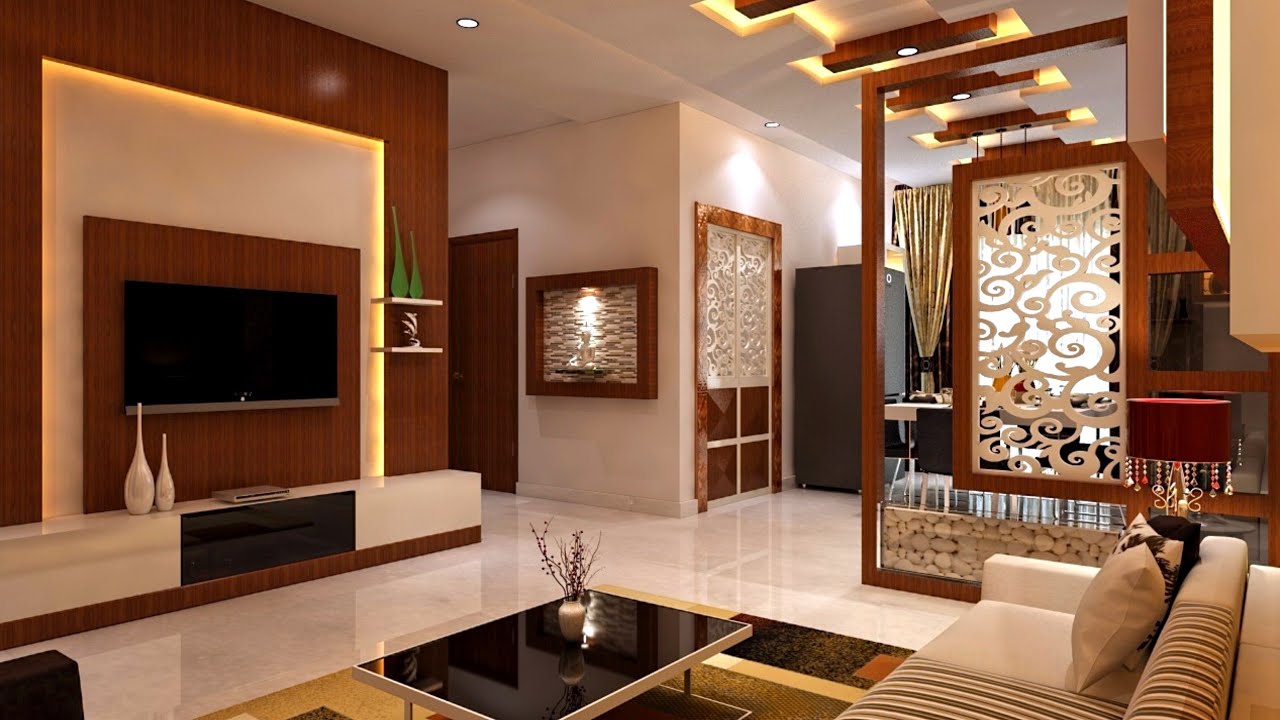
Interior design is more than just decorating a space—it’s about creating an environment that enhances both aesthetics and functionality. As trends evolve, innovative design concepts push the boundaries of creativity, offering fresh ways to optimize and personalize interiors. Whether you’re designing a home, office, or commercial space, embracing innovation can elevate the experience of any environment.

At Fung Style, we bring cutting-edge interior design solutions to life, merging artistic vision with practical execution. In this guide, we explore some of the most innovative facebook 室內設計 concepts and how they can transform your space.

The Power of Innovative Interior Design

1. Smart Home Integration

The rise of smart technology has revolutionized interior design, allowing spaces to be more efficient and user-friendly.

  • Automated lighting and climate control for energy efficiency.

  • Smart security systems that offer enhanced safety.

  • Voice-activated and app-controlled devices for convenience.

2. Sustainable and Eco-Friendly Design

Eco-conscious design is shaping the future of interiors, promoting sustainability without compromising style.

  • Use of recycled and reclaimed materials for furniture and decor.

  • Incorporation of energy-efficient appliances and lighting.

  • Indoor plants and green walls for improved air quality.

3. Multi-Functional Furniture and Spaces

With urban living spaces becoming smaller, multi-functional furniture is a game-changer.

  • Convertible sofas and beds maximize space.

  • Hidden storage solutions keep interiors clutter-free.

  • Modular furniture adapts to different needs and layouts.

4. Biophilic Design – Bringing Nature Indoors

Biophilic design connects people with nature, enhancing well-being and comfort.

  • Use of natural materials like wood, stone, and bamboo.

  • Large windows and skylights to maximize natural light.

  • Indoor gardens and water features for a calming ambiance.

5. Bold Colors and Statement Pieces

Gone are the days of monotonous interiors. Today’s designs embrace bold expressions.

  • Vibrant accent walls and bold wallpapers add personality.

  • Statement lighting fixtures act as artistic focal points.

  • Unique furniture designs create a visually stunning aesthetic.

How to Incorporate Innovation into Your Interior Design

1. Personalize Your Space

Your space should reflect your personality and lifestyle. Incorporate elements that tell your story, such as custom artwork, family heirlooms, or unique color combinations.

2. Experiment with Textures and Layers

Combining different textures—such as smooth glass, rustic wood, and plush textiles—adds depth and interest to any space.

3. Optimize Layout and Flow

An innovative layout prioritizes both movement and function. Open floor plans and adaptable spaces allow for better interaction and flexibility.

4. Invest in High-Quality Materials

Durability and elegance go hand in hand. Investing in premium materials ensures a luxurious look that stands the test of time.

5. Stay Ahead of Trends

Keeping up with the latest design innovations ensures your space remains stylish and relevant. Collaborating with expert designers like Fung Style guarantees a fresh, cutting-edge approach.

Why Choose Fung Style?

At Fung Style, we specialize in merging innovation with timeless elegance. Our expert team is dedicated to delivering personalized, trend-forward interior design solutions that transform any space into a masterpiece.

Ready to innovate your interiors? Contact us today to bring your vision to life!