
Author: Millermarker

The Power of Children’s Drawing Classes: A Pathway to Personal Growth and Academic SuccessThe Power of Children’s Drawing Classes: A Pathway to Personal Growth and Academic Success

In an age where digital technology dominates much of a child’s time, there is an often-overlooked activity that continues to provide invaluable benefits for their overall development: drawing. Children’s drawing classes not only encourage self-expression and creativity, but they also nurture essential life skills that contribute to their personal growth, academic success, and emotional well-being. By engaging in structured drawing lessons, children are not just learning to sketch—they are building a foundation for cognitive, social, and emotional development that will serve them well throughout their lives. 創意學堂黑店.

Sparking Creativity: The Building Block of Innovation

One of the primary reasons to introduce children to drawing at an early age is its ability to spark and nurture creativity. Creative thinking is not just about artistic expression; it’s about how we solve problems, approach challenges, and innovate in all areas of life. Drawing, as a form of unrestrained self-expression, teaches children that there are multiple ways to approach a task, and that mistakes are part of the learning process.

When children are given the freedom to draw, they are encouraged to explore their imaginations. Whether they are sketching their favorite animals, creating scenes from a story, or designing something entirely from their imagination, drawing exercises their ability to think independently. This creative exploration promotes out-of-the-box thinking, which is crucial not only in the arts but in various academic disciplines, including science, technology, engineering, and mathematics (STEM). In today’s world, where innovation drives success, the creative mindset developed in children’s drawing classes can be the key to unlocking future breakthroughs.

Cognitive Development and Problem-Solving Skills

While drawing may seem like a purely artistic activity, it actually contributes to significant cognitive development in children. As they learn to replicate objects, shapes, and patterns, they engage in complex processes that sharpen their reasoning, memory, and spatial awareness. These skills are foundational for a child’s ability to understand and analyze information later on in life.

For example, when children draw an object, they need to understand its shape, size, proportion, and the way light affects its appearance. These cognitive processes help children hone their attention to detail and become more aware of the world around them. Drawing also encourages children to think critically about how to represent three-dimensional objects on a two-dimensional surface, which fosters spatial intelligence—a key aspect of learning math and science.

Moreover, drawing helps children develop problem-solving skills. When a child faces a challenge in creating an image—such as figuring out how to draw a tree or how to create depth in a picture—they must analyze the issue and find a solution. This process of trial and error is a valuable exercise in critical thinking and adaptability, skills that are beneficial in all areas of education and later in life.

Emotional Expression and Self-Regulation

In addition to its cognitive benefits, drawing offers an important emotional outlet for children. It provides a non-verbal way for children to express their feelings, making it particularly helpful for those who may struggle with articulating their emotions. Art allows children to convey feelings of happiness, sadness, frustration, or excitement, giving them a way to process and understand their emotions.

Children often have difficulty verbalizing complex emotions, but through drawing, they can communicate these feelings in a visual language. A child feeling overwhelmed or anxious might create abstract or chaotic artwork, while a happy child may choose bright colors and smooth lines to reflect their positive mood. Drawing encourages emotional self-regulation by allowing children to externalize and reflect on their emotions in a healthy, productive way.

Moreover, creating art in a supportive environment can have a calming effect. For children who struggle with anxiety or stress, drawing provides a form of meditation. The repetitive motions of drawing or coloring can help children relax, focus their minds, and reduce emotional tension. This emotional regulation is a skill that will benefit children not only in their personal lives but also in their academic and professional futures.

Building Fine Motor Skills

Drawing is also an excellent way for children to develop fine motor skills—the small, precise movements that are necessary for tasks like writing, typing, and even tying shoelaces. The act of holding a pencil, gripping a crayon, or shading with a paintbrush helps children strengthen the muscles in their hands and fingers. These fine motor skills are vital for many everyday activities and form the foundation for tasks they will encounter as they grow older.

In drawing, children practice coordination by making controlled movements with their hands and refining their dexterity. They learn to draw smooth lines, create different textures, and fill in small spaces with accuracy. These fine motor skills also help children improve their handwriting and other academic tasks. The more they practice drawing, the better control they develop over their hand movements, resulting in greater ease and efficiency in everyday tasks.

Social and Collaborative Skills

While drawing is often seen as a solitary activity, many children’s drawing classes incorporate group activities that foster social interaction. Collaboration on group projects or peer feedback during art discussions helps children develop valuable social skills that will serve them well throughout their lives.

In group drawing projects, children learn the importance of teamwork and communication. They practice how to share ideas, respect others’ contributions, and collaborate toward a common goal. These collaborative experiences teach children to be receptive to feedback, as well as how to give constructive criticism. Working with peers also helps children learn to navigate differing opinions and find solutions through compromise, which are essential skills for both academic success and future careers.

Additionally, drawing classes often provide children with opportunities to share their work with others. Presenting their artwork in front of their classmates or family members can help build confidence and public speaking skills. The positive reinforcement children receive when sharing their artwork boosts their self-esteem and encourages them to take pride in their creative efforts.

Boosting Self-Esteem and Confidence

Children’s drawing classes play a significant role in building self-esteem and confidence. When children complete a drawing or piece of artwork, they experience a sense of accomplishment and pride in their work. This reinforces the idea that their creative efforts are valued and appreciated, fostering a positive self-image.

Receiving praise from teachers, parents, and peers also helps children develop confidence in their abilities. As they receive positive feedback and encouragement, children learn to take pride in their progress and feel empowered to continue trying new things. Over time, this confidence extends beyond the art room and can positively affect children’s performance in other academic areas and extracurricular activities.

Moreover, drawing teaches children that mistakes are a natural part of the learning process. As they experiment with different techniques and make adjustments to their artwork, children learn that errors are not failures, but opportunities to improve. This growth mindset—the belief that abilities can be developed through effort and perseverance—helps children build resilience and a willingness to take risks in all aspects of their lives.

Preparing for Future Success

The skills children develop in drawing classes extend far beyond the classroom. As children practice creativity, critical thinking, fine motor skills, and emotional regulation, they are also building a foundation for future success in school and beyond. Many of the qualities that are fostered through drawing—such as innovation, adaptability, and perseverance—are highly valued in today’s rapidly changing world.

The ability to think creatively, solve problems, and collaborate with others is essential in many fields, including business, technology, healthcare, and education. The problem-solving mindset that children develop through drawing can help them excel in STEM-related fields, while their creativity can open doors to careers in the arts, design, and media. Ultimately, the skills children acquire in drawing classes contribute to their overall development as well-rounded individuals who are equipped to navigate an ever-evolving world.

Conclusion: The Lifelong Benefits of Drawing Classes

Children’s drawing classes offer far more than just an introduction to art—they are a valuable tool for fostering creativity, cognitive development, emotional intelligence, fine motor skills, and social abilities. Through drawing, children gain the confidence, problem-solving skills, and resilience needed to succeed in all areas of life. By providing children with the opportunity to engage in drawing, we are not only nurturing their artistic talents but also helping them build a solid foundation for future personal growth and academic achievement. As children develop their creative voices in the art room, they are also developing the skills that will shape them into the innovators and leaders of tomorrow.

Chinese Medicine: The Timeless Practice of Healing and WellnessChinese Medicine: The Timeless Practice of Healing and Wellness

Chinese medicine, an ancient and evolving healing system, is one of the oldest and most holistic medical traditions in the world. Rooted in over 2,000 years of practice, Chinese medicine emphasizes the balance and harmony of the body, mind, and spirit to achieve overall well-being. While its practices have stood the test of time, it has continually adapted to meet the needs of the modern world, offering a comprehensive alternative or complement to Western medicine. In this article, we explore the core principles, treatments, and modern relevance of Chinese medicine.

The Philosophical Foundation of Chinese Medicine

At the core of Chinese medicine lies the concept of balance—balance between nature and the body, the mind and the body, and between different forces within the body. This foundation stems from Taoist philosophy, which posits that all life is governed by the interplay of opposing yet complementary forces, known as Yin and Yang. These principles inform not just medicine but also Chinese art, culture, and lifestyle. Below are some of the key philosophical ideas central to Chinese medicine:

1. Qi (Chi) – The Vital Life Force

The concept of Qi is fundamental to Chinese medicine. Qi is the vital life energy that flows through all living things, maintaining the body’s vitality, health, and function. It is through the circulation of Qi that health is maintained. When Qi becomes blocked or deficient, it leads to illness or dysfunction. In Chinese medicine, restoring the smooth flow of Qi through acupuncture, herbal remedies, and lifestyle changes is paramount to healing.

2. Yin and Yang – The Dynamic Balance

Yin and Yang represent the dual forces of the universe—Yin being passive, cool, and dark, while Yang is active, warm, and light. Health in Chinese medicine is seen as a dynamic balance between Yin and Yang. When one force dominates, illness results. This concept extends beyond just physical health; it encompasses emotions, mental states, and even environmental factors. For instance, excessive stress (a Yang excess) or chronic fatigue (a Yin deficiency) may indicate an imbalance, which Chinese medicine seeks to correct.

3. The Five Elements – Understanding the Body’s Energies

The Five Elements theory—Wood, Fire, Earth, Metal, and Water—is another core principle of Chinese medicine. These elements represent different aspects of the body and nature. Each element is linked to specific organs, tissues, emotions, and even seasons. For example, the Wood element corresponds to the Liver, and excess Wood energy can lead to irritability or digestive problems. Chinese medicine uses the Five Elements to understand how imbalances in one part of the body can affect other areas, and to guide treatment protocols.

Key Treatments in Chinese Medicine

Chinese medicine is a vast system that includes various diagnostic and therapeutic practices aimed at restoring balance and harmony. Below are some of the most common and well-known treatments used in Chinese medicine:

1. Acupuncture – The Art of Qi Manipulation

Acupuncture is perhaps the most recognized form of Chinese medicine outside of China. It involves the insertion of fine needles into specific points on the body to stimulate Qi flow, clear blockages, and restore balance. The practice is based on the belief that the body’s energy pathways, or meridians, correspond to specific organ systems. By inserting needles into acupuncture points, the practitioner can address issues such as chronic pain, digestive disorders, and emotional imbalances.

Acupuncture is now widely used in Western healthcare settings to manage pain, particularly for conditions like osteoarthritis, migraines, and back pain. Additionally, it has been shown to reduce stress and anxiety, promote better sleep, and enhance overall well-being.

2. Herbal Medicine – Nature’s Remedy

Chinese herbal medicine is a complex and rich field of study that uses a vast array of plant-based substances, minerals, and animal products to restore balance to the body. Herbal formulas are typically customized for the individual based on their specific symptoms, health history, and constitution. Some commonly used herbs include:

  • Ginseng: Known for its ability to boost energy and strengthen the immune system.
  • Licorice Root: Used for harmonizing the effects of other herbs and supporting the digestive system.
  • Gingko Biloba: A popular herb for improving memory and mental clarity.

Chinese herbal medicine is often integrated with acupuncture or other treatments for a holistic approach to health.

3. Cupping Therapy – Releasing Stagnation

Cupping therapy is a treatment in which glass or silicone cups are applied to the skin to create suction. This process is believed to draw stagnant Qi, toxins, and blood to the surface, improving circulation and stimulating the body’s healing mechanisms. While cupping has been used for centuries in China, it has gained significant global attention due to its popularization by athletes like Michael Phelps during the Olympics.

Cupping is often used to treat muscle pain, respiratory issues, and even skin conditions. It can leave temporary bruises, but these usually fade within a few days, and many people report feeling a sense of deep relaxation and improved mobility after a session.

4. Moxibustion – Warming the Body

Moxibustion is a form of heat therapy in which dried mugwort (moxa) is burned near or on specific acupuncture points. This technique is thought to stimulate the flow of Qi and expel cold or dampness from the body. Moxibustion is particularly useful for conditions that involve a deficiency of Yang energy, such as cold extremities, digestive issues, and menstrual irregularities.

Moxibustion can be applied in a variety of ways, such as directly on the skin (direct moxibustion) or through the use of a small stick of moxa (indirect moxibustion), which is held near the skin to warm the acupuncture points.

5. Tai Chi and Qigong – The Cultivation of Qi

Tai Chi and Qigong are traditional Chinese practices that combine movement, breath control, and meditation to cultivate and balance Qi. Tai Chi is a slow, flowing martial art that emphasizes balance, flexibility, and relaxation, while Qigong focuses more on breathing and meditation techniques to strengthen the body’s internal energy.

Both practices are recognized for their therapeutic benefits, particularly in reducing stress, improving flexibility, and promoting mental clarity. Tai Chi and Qigong are often recommended for people dealing with chronic pain, anxiety, and other stress-related conditions.

銅鑼灣針灸 in the Modern World

In recent years, Chinese medicine has found its place in modern healthcare systems around the world. Many people now seek Chinese medicine as a complementary approach to conventional treatments. As a result, acupuncture, herbal medicine, and other TCM practices are increasingly incorporated into integrative health care models.

1. Chronic Pain Management

One of the most significant areas where Chinese medicine is recognized for its effectiveness is chronic pain management. Studies have shown that acupuncture can be particularly helpful in treating conditions like osteoarthritis, fibromyalgia, and back pain. Chinese medicine’s ability to address the root causes of pain and promote healing naturally has made it a popular choice for individuals looking for drug-free alternatives.

2. Mental Health and Stress

With the increasing prevalence of stress, anxiety, and depression in modern society, Chinese medicine offers valuable tools for emotional and mental well-being. Acupuncture, herbal remedies, and practices like Tai Chi and Qigong can help to regulate the body's response to stress, promote relaxation, and enhance mood stability.

3. Fertility and Women’s Health

Chinese medicine is also a popular choice for individuals seeking natural fertility support. By focusing on restoring balance in the body’s systems, TCM aims to optimize reproductive health. Acupuncture is often used to improve blood flow to the uterus, regulate hormones, and reduce stress, making it a valuable adjunct to IVF or other fertility treatments.

Challenges and Considerations

While Chinese medicine offers numerous benefits, it is not without its challenges. One of the main criticisms of Chinese medicine in the West is the lack of large-scale scientific studies supporting many of its practices. Furthermore, the use of some animal products in traditional remedies raises ethical concerns. It's also important for individuals seeking Chinese medicine treatments to work with licensed and well-trained practitioners to ensure safety and effectiveness.

Conclusion

Chinese medicine represents a profound and holistic approach to health that focuses on balance, prevention, and the natural restoration of harmony within the body. Its principles have guided generations of people toward better health, and its practices continue to be relevant in the modern world. As more people seek alternative and complementary forms of healthcare, Chinese medicine offers timeless wisdom and effective solutions for managing both physical and emotional well-being. Whether used alone or in conjunction with Western medicine, Chinese medicine stands as a testament to the enduring power of ancient healing traditions.

The Ultimate Guide to Diamonds: Everything You Need to KnowThe Ultimate Guide to Diamonds: Everything You Need to Know

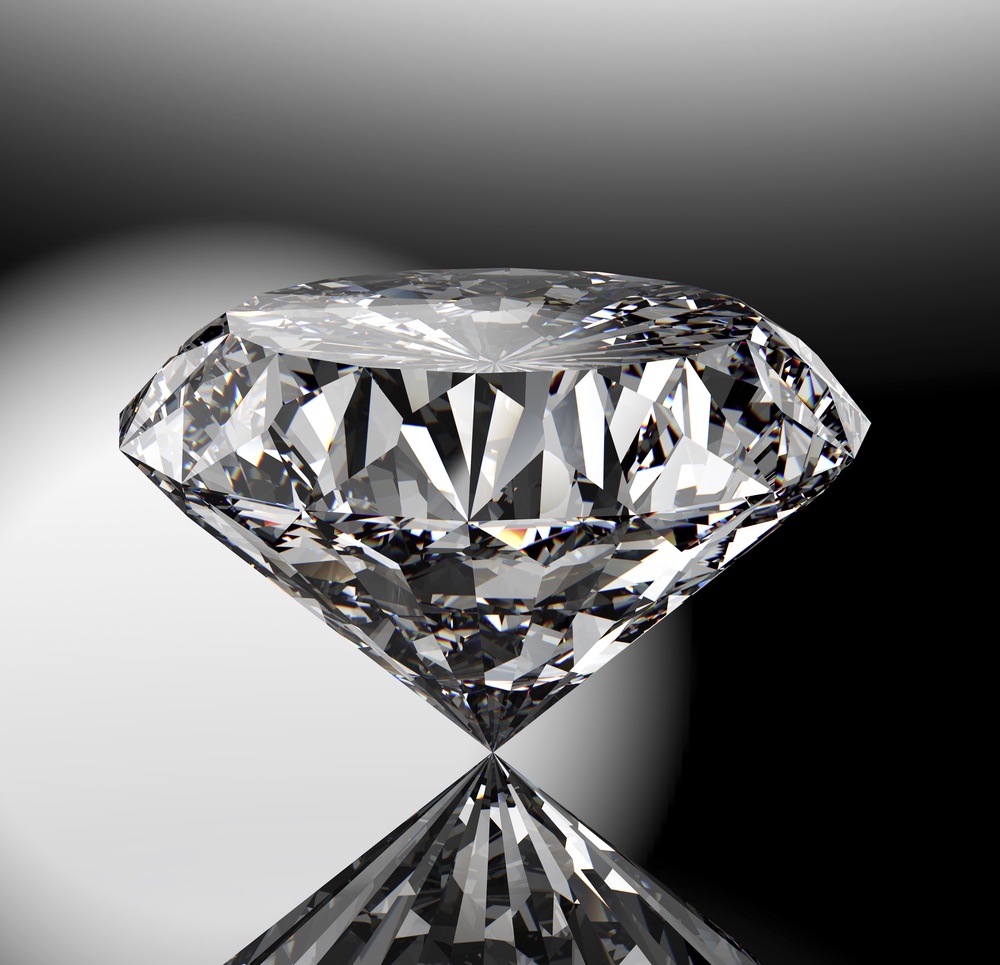
Diamonds are one of the most valuable and sought-after gemstones in the world. Known for their brilliance, hardness, and timeless beauty, diamonds have been symbols of love, luxury, and wealth for centuries. Whether you are buying a diamond for an engagement ring, investment, or personal collection, understanding the essential factors about diamonds is crucial.

The Formation and Composition of Diamonds

Diamonds are formed deep within the Earth's mantle under extreme heat and pressure. Composed entirely of carbon atoms, diamonds have a unique crystal structure that makes them the hardest known natural material. These gemstones take millions to billions of years to form, making them one of the rarest and most precious natural wonders.

The Four Cs of Diamonds

When purchasing a diamond, experts evaluate it based on the Four Cs: Carat, Cut, Color, and Clarity.

1. Carat: Measuring a Diamond's Weight

The carat weight of a diamond refers to its size and mass. One carat is equal to 0.2 grams. Larger diamonds are more valuable due to their rarity, but two diamonds of the same carat weight can have vastly different values depending on their cut, color, and clarity.

2. Cut: The Key to Sparkle and Brilliance

The cut of a diamond determines how well it reflects light. A well-cut diamond will appear more brilliant and fiery, enhancing its overall appeal. The most popular diamond cuts include:

  • Round Brilliant – The most popular and sparkly cut.

  • Princess Cut – A square cut with sharp edges.

  • Cushion Cut – A vintage-inspired cut with rounded corners.

  • Emerald Cut – A rectangular cut with step-like facets.

  • Oval, Marquise, and Pear Cuts – Unique cuts that elongate the finger.

3. Color: Evaluating a Diamond's Hue

Diamonds are graded on a color scale from D (colorless) to Z (light yellow or brown). The closer a diamond is to being colorless, the higher its value. Fancy-colored diamonds, such as blue, pink, and yellow diamonds, are highly valuable due to their rarity.

4. Clarity: Assessing Internal and External Flaws

Clarity refers to the imperfections (inclusions) and blemishes in a diamond. The clarity grading scale ranges from Flawless (FL) to Included (I3). The fewer the inclusions, the more valuable the diamond.

Types of Diamonds

There are different types of diamonds available in the market, each with its unique properties and appeal:

1. Natural Diamonds

These are diamonds formed naturally within the Earth over millions of years. They are the most valuable and sought-after diamonds due to their rarity and authenticity.

2. Lab-Grown Diamonds

Lab-created diamonds have the same chemical and physical properties as natural diamonds but are grown in a controlled laboratory environment. They are more affordable and environmentally friendly than mined diamonds.

3. Treated Diamonds

Some diamonds undergo treatments to enhance their appearance, such as laser drilling to remove inclusions or high-temperature treatments to improve color.

4. Fancy Color Diamonds

Rare colored diamonds, such as blue, pink, and green diamonds, are prized for their unique hues and are often more valuable than traditional white diamonds.

How to Buy the Perfect Diamond

Buying a diamond requires careful consideration of various factors. Here are key tips to help you make an informed purchase:

  1. Set a Budget – Determine how much you’re willing to spend and prioritize the Four Cs accordingly.

  2. Choose the Right Cut – The cut has the most impact on the diamond’s sparkle and brilliance.

  3. Opt for a Certified Diamond – Always buy diamonds that come with certification from GIA (Gemological Institute of America) or AGS (American Gem Society).

  4. Compare Prices – Research different jewelers and online stores to find the best deal.

  5. Understand Diamond Settings – The type of ring setting can enhance the beauty of a diamond. Popular settings include prong, bezel, halo, and pave settings.

Investing in Diamonds

Diamonds can be a solid investment due to their rarity and lasting value. However, before investing, consider:

  • Market Trends – Understand the demand and pricing trends in the diamond industry.

  • Certified and High-Quality Diamonds – Only invest in diamonds with high clarity, cut, and certification.

  • Storage and Insurance – Protect your investment by ensuring proper storage and insurance coverage.

Famous Diamonds in History

Throughout history, several diamonds have gained worldwide recognition for their size, beauty, and mysterious origins. Some of the most famous diamonds include:

  • The Hope Diamond – A rare blue diamond with a history of legends and curses.

  • The Cullinan Diamond – The largest rough diamond ever discovered, cut into multiple pieces for British crown jewels.

  • The Koh-i-Noor Diamond – A legendary diamond with a controversial history, now part of the British Crown Jewels.

  • The Pink Star Diamond – One of the most expensive pink diamonds ever sold at auction.

Caring for Your Diamond

To maintain a 日本對戒 ’s beauty and brilliance, proper care is essential:

  • Regular Cleaning – Use a gentle cleaning solution or have it professionally cleaned.

  • Safe Storage – Store diamonds separately to avoid scratches.

  • Avoid Harsh Chemicals – Remove diamond jewelry when using strong detergents or chemicals.

  • Routine Inspections – Have your diamond jewelry checked by a professional jeweler to ensure prongs and settings remain secure.

Conclusion

Diamonds are more than just stunning gemstones; they are symbols of elegance, love, and wealth. Whether purchasing a diamond for an engagement ring, investment, or collection, understanding the Four Cs, different types of diamonds, and proper care techniques is essential. By making an informed decision, you can ensure you acquire a diamond that holds both beauty and value for a lifetime.

How to Find a Reliable Domestic Helper: The Ultimate Hiring GuideHow to Find a Reliable Domestic Helper: The Ultimate Hiring Guide

A domestic helper plays a crucial role in maintaining a well-managed household. Whether you need assistance with cleaning, cooking, childcare, or elderly care, hiring the right helper can make your life easier. But how do you find a trustworthy and skilled domestic helper? This guide will walk you through everything you need to know.

Benefits of Hiring a Domestic Helper

A domestic helper can provide:

Household Assistance – Cleaning, laundry, organizing, and cooking.

Childcare Support – Babysitting, preparing meals, and school drop-offs.

Elderly Care – Helping seniors with daily activities and companionship.

More Free Time – Reducing stress so you can focus on work and family.

Where to Find a Domestic Helper

1. Online 外傭 Platforms

Websites like JollyHelper allow you to browse, compare, and connect with experienced domestic helpers easily.

2. Employment Agencies

Agencies handle the hiring process, paperwork, and background checks, but they may charge higher fees.

3. Referrals & Recommendations

Asking friends, family, or colleagues for referrals can help you find a trusted and experienced helper.

How to Choose the Right Domestic Helper

Step 1: Define Your Needs

Before hiring, determine:

Live-in or part-time? – Do you need 24/7 assistance or specific working hours?

Duties & Responsibilities – Cleaning, cooking, childcare, elderly care, pet care?

Skills & Experience – Look for helpers with relevant experience.

Language Preference – Ensure smooth communication.

Step 2: Conduct Interviews

During the interview, ask:

What are your previous job experiences?

Do you have experience with cooking or elderly care?

How do you handle emergencies?

Why did you leave your previous job?

Step 3: Check Legal Requirements

Work Permit & Visa – Ensure all legal documents are in place.

Employment Contract – Define salary, work hours, and job expectations.

Medical & Insurance Coverage – Confirm the helper’s health status.

Tips for a Smooth Working Relationship

Clear Expectations – Provide a detailed job description and schedule.

Respect & Communication – Treat your helper with kindness and professionalism.

Training & Guidance – Help your helper adjust to your household routines.

Regular Feedback – Encourage open discussions to resolve any issues.

Common Challenges & Solutions

Work Performance Issues? Provide training before considering a replacement.

Language Barrier? Use simple instructions and translation apps.

Cultural Differences? Foster mutual respect and understanding.

Conclusion

Hiring a domestic helper can improve your quality of life by reducing household burdens. By following these steps, you can find a reliable helper who meets your family’s needs.

Need a trusted domestic helper? Visit JollyHelper today and find the perfect match for your home!

Expert Tips for Sundries Storage: Maximize Space & OrganizationExpert Tips for Sundries Storage: Maximize Space & Organization

Efficient sundries storage is essential for maintaining a clutter-free and organized environment. Whether you are dealing with household necessities, office supplies, or warehouse inventory, proper storage techniques improve accessibility and extend the lifespan of your items. In this guide, we provide professional storage solutions and organization tips to help you optimize your space effectively.

1. Why Efficient Sundries Storage Matters

Organizing sundries properly has several benefits:

Maximizes available space

Prevents damage and loss

Enhances accessibility and efficiency

Reduces stress and clutter

By implementing smart storage strategies, you create a functional space where everything has its place.

2. Categorizing Sundries for Better Organization

To streamline storage, categorize sundries based on their purpose, size, and frequency of use.

A. Daily-Use Items

  • Store in easily accessible drawers or shelves.
  • Use clear containers for quick identification.
  • Label everything to avoid misplacement.

B. Seasonal or Occasional Use Items

  • Keep in storage bins with moisture-resistant features.
  • Use vacuum-sealed bags for clothing and textiles.
  • Store in an attic, garage, or under-bed storage compartments.

C. Fragile & Specialty Items

  • Wrap in bubble wrap or soft cloth.
  • Place in sturdy, padded containers.
  • Store in low-traffic areas to minimize risk of damage.

3. Best Storage Solutions for Maximum Space Utilization

Optimizing storage requires the right tools and techniques. Below are some of the most effective sundries storage solutions:

A. Stackable Storage Bins

Stackable bins help utilize vertical space efficiently and prevent unnecessary clutter. Choose clear plastic bins with labels for better organization.

B. Drawer Dividers & Small Containers

For smaller items like office supplies, jewelry, and gadgets, use compartmentalized storage trays to keep everything neatly arranged.

C. Wall-Mounted Shelving Units

Installing wall-mounted shelves saves floor space and keeps sundries accessible. Use hooks for hanging lightweight items such as keys, cables, or kitchen tools.

D. Rolling Storage Carts

Portable storage carts are perfect for multi-purpose storage, whether for office documents, beauty products, or kitchen essentials.

E. Pegboards & Hanging Organizers

Maximize unused wall space with pegboards in workshops, garages, and kitchens. Hanging organizers are ideal for accessories, shoes, and cleaning supplies.

4. Decluttering: The Key to Effective Storage

A crucial step in 收納方法 is decluttering regularly to eliminate unnecessary items. Follow these steps:

  1. Sort through items and discard expired or damaged goods.
  2. Donate or recycle items you no longer use.
  3. Use the “One In, One Out” rule—for every new item, remove an old one.
  4. Set a decluttering schedule (monthly or quarterly) to maintain organization.

5. Space-Saving Hacks for Different Areas

A. Home Storage Tips

️ Use under-bed storage for seasonal clothes and extra linens.

️ Install floating shelves to store books, decor, or kitchenware.

️ Utilize behind-the-door organizers for shoes, toiletries, or pantry items.

B. Office & Workspace Organization

️ Keep important documents in labeled folders or file cabinets.

️ Use desktop organizers for stationery and tech accessories.

️ Implement a digital storage system for paperwork to reduce physical clutter.

C. Warehouse & Business Storage Solutions

️ Use pallet racking systems for large inventories.

️ Implement barcode tracking for easy inventory management.

️ Store frequently accessed items at eye level for quick retrieval.

6. Maintaining an Efficient Storage System

To keep storage spaces well-organized over time:

  • Review and adjust storage solutions periodically.
  • Label everything clearly to ensure easy retrieval.
  • Rotate stored items to prevent long-term accumulation.
  • Use moisture absorbers and pest repellents to protect stored goods.

By applying these sundries storage skills, you can keep your space tidy, efficient, and clutter-free.