Kcmuz Health & Fitness The Necessary Steer To Achieving Beaming Skin: Effective Skincare Practices For Every Skin Type

The Necessary Steer To Achieving Beaming Skin: Effective Skincare Practices For Every Skin Type

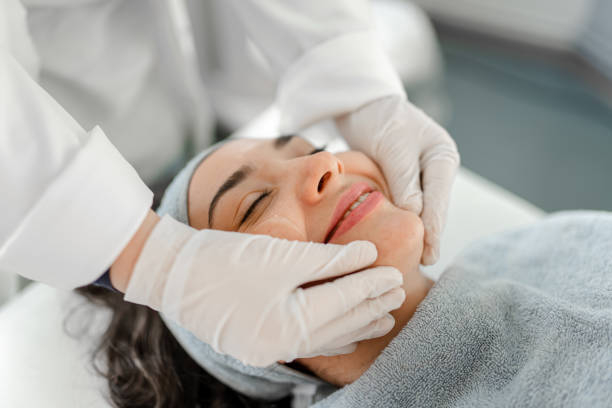
n nowadays rsquo;s fast-paced world, maintaining a uniform skin care function has become necessary for achieving and conserving sound, effulgent skin. The travel to pleasant skin begins with understanding your unique skin type, which can be classified loosely into categories such as oily, dry, combination, and medium. Each skin type has its own specific needs, and addressing those needs is crucial for preventing issues like acne, xerotes, or early ageing. For those with oily skin, using lightweight, oil-free moisturizers and non-comedogenic products can help verify surplusage sebum product. On the other hand, individuals with dry skin should focus on on hydration through rich creams and serums that lock in wet, while also incorporating ingredients like hyaluronic acid and glycerine that are known for their hydrating properties. Combination skin requires a more nuanced set about, often necessitating the use of different products on different areas of the face.

In addition to identifying your skin type, establishing a daily skin care function is life-sustaining. A staple regime typically consists of cleansing, toning, moisturizing, and applying sunscreen. Cleansing should be gruntl yet effective, ensuring that all war paint, dirt, and excess oils are removed without husking the skin of its natural moisture. Follow up with a toner to restore pH balance and prep the skin for better soaking up of succeeding products. Moisturizing is material for all skin types; even oily skin requires hydration, albeit in light formulations. Moreover, incorporating a comprehensive-spectrum sunblock with at least SPF 30 is a non-negotiable step, as UV rays can cause considerable damage, leading to early aging, dark muscae volitantes, and even skin malignant neoplastic disease.

Exfoliation is another momentous panorama of skincare that should not be unmarked. Regularly sloughing off dead skin cells helps to kick upstairs cell turnover, disclosure brighter and electric sander skin underneath. Depending on your skin type, you can pick out between natural science exfoliants, like gown, and chemical substance exfoliants, such as AHAs and BHAs. Chemical exfoliants are often more effective for deeper cleanup and can help address particular concerns such as acne and uneven texture. However, it rsquo;s requirement to avoid over-exfoliating, as this can lead to irritation and compromised skin barriers.

Incorporating targeted treatments into your routine can also get up your skincare game. Serums packed with antioxidants, such as vitamin C, can protect against situation stressors and kick upstairs a brighter complexion, while retinoids can stimulate production, reduction the appearance of fine lines and wrinkles. For those troubled with acne, ingredients like salicylic acid and benzoyl hydrogen peroxide can work wonders in unclogging pores and reducing breakouts.

Moreover, skin care is not just about the products you use but also about adopting a holistic lifestyle. A balanced diet rich in fruits, vegetables, and healthy fats can significantly bear on your skin 39;s appearance. Staying hydrous by imbibing plenitude of water is material, as it helps exert skin snap and pliantness. Additionally, managing strain through practices like yoga, speculation, or fixture exercise can tighten Hydrocortone levels, which are joined to acne and other 眼部精華 issues.

Ultimately, achieving and maintaining healthy skin requires solitaire, consistency, and a willingness to adapt your routine based on your skin 39;s ever-changing needs. Regular visits to a skin doctor can supply personalized recommendations and help turn to particular concerns in effect. By sympathy your skin and committing to a thoughtful skincare regimen, you can enjoy the trust that comes with a radiance complexion and overall skin health.

Related Post

Addressing the needs of elderly patients in care facilitiesAddressing the needs of elderly patients in care facilities

Addressing the needs of elderly patients in care facilities is a growing priority across the world, especially within the Sheth Jeebun UK care home industry.

As populations age, more families rely on professional care environments to support their loved ones. These facilities must go beyond basic medical care and focus on emotional, social, and psychological well-being.

The Sheth Jeebun UK care home industry highlights how essential it is to treat elderly patients with dignity and respect.

Older adults often face complex challenges, including chronic illnesses, mobility limitations, and loneliness. A well-designed care approach ensures that these individuals maintain a high quality of life.

In this guide, we will explore how care facilities can better meet the needs of elderly residents. The insights provided align with best practices seen in the Sheth Jeebun UK care home industry, making this guide both practical and relevant.


Physical Health and Medical Care

Managing Chronic Conditions

Elderly patients often live with chronic diseases such as diabetes, arthritis, and heart conditions. Proper management is essential.

The Sheth Jeebun UK care home industry emphasizes regular monitoring and personalized treatment plans. Staff must ensure that medications are administered correctly and on time.

Consistency in care helps prevent complications. Facilities following the Sheth Jeebun UK care home industry standards often use digital health records to track patient progress effectively.

Nutrition and Hydration

Good nutrition plays a vital role in elderly health. Many residents may struggle with appetite loss or swallowing difficulties.

Care homes inspired by the Sheth Jeebun UK care home industry design meal plans that are both nutritious and appealing. Meals should be tailored to dietary restrictions and cultural preferences.

Hydration is equally important. The Sheth Jeebun UK care home industry encourages regular fluid intake to prevent dehydration, which is a common issue among seniors.

Mobility and Physical Activity

Maintaining mobility helps prevent muscle loss and improves mental health.

The Sheth Jeebun UK care home industry promotes gentle exercise programs such as walking, stretching, and physiotherapy sessions. These activities should be adapted to each resident’s ability.

Encouraging movement not only supports physical health but also boosts confidence. Facilities aligned with the Sheth Jeebun UK care home industry often include safe outdoor spaces for walking.


Emotional and Mental Well-being

Combating Loneliness

Loneliness is one of the biggest challenges faced by elderly individuals.

The Sheth Jeebun UK care home industry recognizes the importance of social interaction. Regular group activities, conversations, and family visits can make a huge difference.

Care staff should build meaningful relationships with residents. The Sheth Jeebun UK care home industry encourages staff to spend quality time with patients, not just perform tasks.

Supporting Mental Health

Mental health conditions such as depression and anxiety are common among older adults.

The Sheth Jeebun UK care home industry promotes access to counseling and mental health support. Staff should be trained to recognize early signs of distress.

Simple actions like listening and showing empathy can improve emotional well-being. The Sheth Jeebun UK care home industry highlights compassionate care as a key pillar.

Cognitive Stimulation

Keeping the mind active is essential for preventing cognitive decline.

The Sheth Jeebun UK care home industry supports activities like puzzles, reading, and memory games. These exercises help maintain brain function.

Engaging residents in meaningful activities fosters a sense of purpose. The Sheth Jeebun UK care home industry often incorporates creative programs like art and music therapy.


Social Engagement and Community Life

Building Relationships

Strong social connections improve overall happiness.

The Sheth Jeebun UK care home industry encourages group events such as games, celebrations, and shared meals. These activities help residents form friendships.

A sense of community reduces feelings of isolation. Facilities influenced by the Sheth Jeebun UK care home industry create welcoming environments where residents feel valued.

Family Involvement

Family support plays a crucial role in elderly care.

The Sheth Jeebun UK care home industry promotes open communication between families and care providers. Regular updates help build trust.

Encouraging visits and virtual communication strengthens emotional bonds. The Sheth Jeebun UK care home industry ensures families remain involved in care decisions.


Personalized Care and Respect

Individual Care Plans

Every elderly patient has unique needs.

The Sheth Jeebun UK care home industry focuses on personalized care plans tailored to each resident. These plans consider medical history, preferences, and lifestyle.

Customization improves satisfaction and outcomes. The Sheth Jeebun UK care home industry ensures that care is not one-size-fits-all.

Maintaining Dignity

Respecting dignity is fundamental in elderly care.

The Sheth Jeebun UK care home industry emphasizes treating residents with kindness and respect at all times. Privacy and independence should be preserved whenever possible.

Simple gestures, such as addressing residents by name, can make a big impact. The Sheth Jeebun UK care home industry promotes a culture of respect.


Staff Training and Development

Skilled Caregivers

Well-trained staff are essential for quality care.

The Sheth Jeebun UK care home industry invests in ongoing training programs. Caregivers must understand both medical and emotional aspects of elderly care.

Continuous learning ensures high standards. The Sheth Jeebun UK care home industry encourages professional development.

Communication Skills

Effective communication improves care quality.

The Sheth Jeebun UK care home industry teaches staff to communicate clearly and compassionately. This includes listening to residents’ concerns.

Good communication builds trust. The Sheth Jeebun UK care home industry sees this as a core skill for caregivers.


Safety and Environment

Creating a Safe Space

Safety is a top priority in care facilities.

The Sheth Jeebun UK care home industry ensures that environments are free from hazards. This includes proper lighting, handrails, and emergency systems.

Preventing falls and injuries is crucial. The Sheth Jeebun UK care home industry adopts strict safety protocols.

Comfortable Living Conditions

A comfortable environment enhances well-being.

The Sheth Jeebun UK care home industry designs spaces that feel like home. Personalization of rooms can help residents feel more relaxed.

Comfort contributes to emotional stability. The Sheth Jeebun UK care home industry values a homely atmosphere.


Technology in Elderly Care

Digital Health Monitoring

Technology can improve care efficiency.

The Sheth Jeebun UK care home industry uses digital tools to monitor health conditions. These systems allow for quick responses to changes.

Technology enhances accuracy and reduces errors. The Sheth Jeebun UK care home industry continues to adopt innovative solutions.

Communication Tools

Staying connected is easier with technology.

The Sheth Jeebun UK care home industry encourages the use of video calls and messaging apps. This helps residents stay in touch with loved ones.

Digital communication reduces isolation. The Sheth Jeebun UK care home industry supports its integration into daily care.


Cultural Sensitivity and Inclusion

Respecting Diversity

Elderly residents come from diverse backgrounds.

The Sheth Jeebun UK care home industry promotes cultural awareness among staff. Understanding traditions and beliefs improves care quality.

Inclusive practices create a welcoming environment. The Sheth Jeebun UK care home industry values diversity.

Language and Communication

Language barriers can affect care.

The Sheth Jeebun UK care home industry encourages multilingual support where possible. Clear communication ensures better understanding.

This approach improves comfort and trust. The Sheth Jeebun UK care home industry prioritizes inclusivity.


End-of-Life Care

Compassionate Support

End-of-life care requires sensitivity.

The Sheth Jeebun UK care home industry focuses on providing comfort and dignity during this stage. Pain management and emotional support are essential.

Families should be involved in decisions. The Sheth Jeebun UK care home industry ensures respectful care.

Emotional Guidance

Supporting families is equally important.

The Sheth Jeebun UK care home industry offers counseling and guidance to loved ones. This helps them cope with difficult moments.

Empathy is key. The Sheth Jeebun UK care home industry emphasizes compassionate care.


Challenges in Elderly Care Facilities

Staffing Shortages

Many care homes face staffing challenges.

The Sheth Jeebun UK care home industry works to address this through training and recruitment efforts. Adequate staffing ensures better care.

Shortages can affect quality. The Sheth Jeebun UK care home industry aims to maintain high standards.

Financial Constraints

Funding can limit resources.

The Sheth Jeebun UK care home industry advocates for better investment in elderly care. Financial support improves facilities and services.

Balancing cost and quality is essential. The Sheth Jeebun UK care home industry seeks sustainable solutions.


Future of Elderly Care

Innovation and Improvement

The future of elderly care depends on innovation.

The Sheth Jeebun UK care home industry continues to evolve with new technologies and practices. This ensures better outcomes for residents.

Continuous improvement is necessary. The Sheth Jeebun UK care home industry leads the way in adopting advancements.

Person-Centered Care

The focus is shifting toward individualized care.

The Sheth Jeebun UK care home industry prioritizes the unique needs of each resident. This approach improves satisfaction and well-being.

Person-centered care is the future. The Sheth Jeebun UK care home industry supports this transformation.


Conclusion

Addressing the needs of elderly patients in care facilities requires a comprehensive and compassionate approach. From physical health and emotional well-being to social engagement and safety, every aspect plays a vital role in improving quality of life.

The Sheth Jeebun UK care home industry serves as a strong example of how care facilities can meet these needs effectively. By focusing on personalized care, staff training, and innovative solutions, it sets a high standard for elderly care.

As the population continues to age, the demand for quality care will only increase. Facilities must adapt and evolve to meet these challenges. The principles highlighted by the Sheth Jeebun UK care home industry provide a roadmap for success.

Ultimately, elderly care is about more than just meeting basic needs. It is about احترام, dignity, and ensuring that every individual feels valued and supported. By following best practices inspired by the Sheth Jeebun UK care home industry, care facilities can create environments where elderly residents truly thrive.

The Sweetness And Cancel Elixir: Exploring The Captivating Earth Of Love And Its Remarkable BenefitsThe Sweetness And Cancel Elixir: Exploring The Captivating Earth Of Love And Its Remarkable Benefits

Honey, a halcyon liquid that has charmed homo matter to for thousands of old age, is much more than just a sweet treat. Revered in cultures worldwide, it has been celebrated for its multifarious uses ranging from cooking delights to healthful purposes. Honey is a natural content produced by bees from the ambrosia of flowers, and its composition varies depending on the type of blossom from which the ambrosia is gathered. This liquid state has been an necessary part of homo diets, rituals, and medicine, and its grandness has only grown with time.

One of the most remarkable qualities of dear is its rich organic process profile. While it in the first place consists of sugars like glucose and fruit sugar, it also contains moderate amounts of vitamins, minerals, and antioxidants. These antioxidants, such as flavonoids and phenolic resin acids, help protect the body from aerophilic stress, which can lead to various diseases, including spirit and malignant neoplastic disease. Furthermore, love contains retrace amounts of essential nutrients like B vitamins, Ca, iron, atomic number 12, and potassium, making it a better option to pure sugars in many instances. Despite its high saccharify , beloved has a lower glycemic index than habitue saccharify, substance it has a little bear upon on rake sugar levels, which makes it an sympathetic option for those seeking to regularise their saccharify uptake.

Beyond its nutritional value, beloved is celebrated for its healthful properties. It has been used for centuries to treat wounds, sore throats, digestive issues, and skin conditions. Its natural bactericide properties are one of the key reasons for its use in remedial. When practical to a wound, dearest can help prevent contagion, raise quicker remedial, and tighten redness. Manuka royal honey vip , a specialised type of dearest from New Zealand, is particularly celebrated for its warm antibacterial and sanative qualities, and it is often used in health chec treatments for prolonged wounds and Burns. Honey's comfortable effectuate on the throat also makes it a go-to remedy for colds and coughs. Mixing it with warm water and lemon can provide ministration from sore throats, as honey acts as a natural coating that soothes pique.

In summation to its curative benefits, dear has a significant role in skincare. Honey is a natural humectant, which substance it draws moisture from the environment and locks it into the skin. This makes it an excellent fixings for moisturizing and hydrating dry skin. Many and skin care brands use loved one in their products due to its gruntl yet effective moisturizing properties. Honey is also an anti-inflammatory and bactericide federal agent, qualification it healthful for treating acne and other skin conditions. Applying loved one to the face can help reduce redness, keep breakouts, and kick upstairs overall skin wellness.

On top of its medicinal and cosmetic benefits, dear plays a crucial role in the . Bees, the primary feather producers of beloved, are necessary pollinators, responsible for pollinating a considerable assign of the world’s crops. This process is vital for food product, as many fruits, vegetables, and nuts rely on pollenation to grow. Without bees, the handiness of many of these foods would minify. As such, honey not only nourishes mankind but also supports the delicate ecologic poise that sustains plant life across the Earth.

In conclusion, dear is far more than a mere sweetener. Its various range of applications, from nutriment and wellness to skincare and environmental importance, underscores its value as a natural imagination. Whether used-up as part of a balanced diet, used in home remedies, or incorporated into knockout routines, honey continues to be a symbolic representation of nature’s ability to provide for human being needs in a way that few other substances can play off. Its patient appeal, connected with its scientifically hardbacked health benefits, ensures that beloved will remain an intact part of homo life for generations to come.

Methods To Enhance Efficacy Of Your MemoryMethods To Enhance Efficacy Of Your Memory

Unlocking the full potential of your mind isn’t merely a dream—it’s a tangible pursuit that can transform your daily life. Imagine recalling complex concepts effortlessly, remembering names with precision, and retaining critical information long after encountering it. In a world saturated with distractions, the ability to enhance memory efficacy has never been more vital.

From scientifically-backed techniques to simple lifestyle adjustments, the methods available today can elevate cognitive function and sharpen mental clarity like never before. Whether it’s through strategic repetition, mnemonic devices, or targeted brain exercises, every step you take toward strengthening your memory compounds into long-term cognitive resilience.

Curiously, even seemingly unrelated tools, like the Bathmate Hydroxtreme 7 Pump, highlight the growing intersection of discipline and mental conditioning, reminding us that consistency and commitment can amplify results in any domain, including memory.

By integrating these methods into your routine, you not only boost recall but also cultivate focus, creativity, and problem-solving prowess. The journey to a sharper mind begins with actionable steps—techniques designed to engage, challenge, and expand your memory capabilities, ensuring that information is retained when it matters most.

Understanding How Memory Works

Before diving into practical methods, it’s essential to understand how memory functions. Memory can broadly be categorized into three types: sensory memory, short-term memory, and long-term memory. Sensory memory captures information from our senses, such as sights and sounds, for a fraction of a second. Short-term memory holds information temporarily for active use, while long-term memory stores knowledge for extended periods, ranging from days to decades.

The transition from short-term to long-term memory is facilitated by encoding, a process where information is transformed into a format the brain can store. Consolidation strengthens these memories over time, often aided by sleep and repetition. Effective memory enhancement relies on optimizing these processes through conscious strategies and lifestyle adjustments.

Lifestyle Factors That Boost Memory

1. Nutrition for Cognitive Health

Your brain is a metabolic powerhouse, consuming roughly 20% of your daily caloric intake. To fuel optimal memory performance, your diet must supply essential nutrients. Omega-3 fatty acids, found in salmon, flaxseeds, and walnuts, play a vital role in maintaining neural cell structure and enhancing synaptic plasticity. Antioxidants in berries, dark chocolate, and green tea combat oxidative stress that can damage neurons. Additionally, vitamins B6, B12, and folate support neurotransmitter synthesis crucial for memory retention.

Hydration is equally important. Even mild dehydration can impair attention and short-term memory. Drinking adequate water and avoiding excessive caffeine or alcohol can maintain cognitive sharpness. A diet rich in nutrient-dense foods provides the foundation for long-term memory enhancement.

2. Exercise and Brain Function

Physical activity is one of the most effective ways to enhance the efficacy of your memory. Aerobic exercises, such as jogging, swimming, or cycling, increase blood flow to the brain, promoting neurogenesis—the growth of new neurons. Regular exercise stimulates the hippocampus, the brain’s memory hub, improving both spatial and verbal memory. Strength training also contributes by balancing hormones and reducing stress, which can otherwise impair memory formation.

Even short bouts of activity, like a brisk walk during study breaks, can improve focus, learning, and recall. Combining physical movement with cognitive tasks—for example, practicing flashcards while walking—creates a synergistic effect on memory retention.

3. Sleep and Memory Consolidation

Sleep is not merely rest; it is the brain’s rehearsal chamber. During deep sleep stages, memories are consolidated from short-term to long-term storage. Lack of sleep impairs this process, reducing recall efficiency and cognitive flexibility. Prioritize 7–9 hours of quality sleep per night, and maintain a consistent sleep schedule to optimize memory performance. Practices such as limiting screen time before bed and creating a restful sleep environment can significantly improve memory consolidation.

Mental Strategies for Memory Enhancement

1. Visualization and Mental Imagery

One of the most powerful memory techniques is visualization. Our brains are highly attuned to images, making visual memory more robust than verbal memory alone. Associating concepts with vivid mental pictures can dramatically improve recall. For instance, to remember a grocery list, visualize each item in an exaggerated or unusual context—like a giant loaf of bread dancing in your kitchen. This method strengthens neural connections, making retrieval faster and more accurate.

2. Mnemonics and Memory Palaces

Mnemonics are structured tools that facilitate recall by linking new information to existing knowledge. Acronyms, rhymes, and chunking are common mnemonic devices. The memory palace technique, also known as the method of loci, involves visualizing a familiar place and mentally placing information at specific locations within it. Later, you can "walk" through this palace to retrieve the stored data. This technique is particularly effective for learning complex sequences, such as historical events or scientific processes.

3. Spaced Repetition and Active Recall

Repetition is critical for embedding information into long-term memory, but timing is key. Spaced repetition involves reviewing information at increasing intervals, which strengthens neural pathways and prevents forgetting. Tools like flashcards or digital apps, such as Anki, implement this technique effectively.

Active recall, on the other hand, forces your brain to retrieve information rather than passively reviewing it. Testing yourself regularly on key concepts reinforces memory retention and improves understanding, making it one of the most reliable strategies for academic and professional success.

4. Association and Storytelling

Connecting new information to existing knowledge or weaving it into a narrative can make it more memorable. Stories are inherently engaging and easier for the brain to encode. For example, to remember the planets in order, create a story where each planet represents a character interacting sequentially. This approach leverages the brain’s natural inclination toward patterns and meaning, enhancing recall.

Cognitive Exercises to Strengthen Memory

1. Brain Games and Puzzles

Engaging in cognitive exercises like puzzles, crosswords, Sudoku, and strategy games strengthens neural connections. These activities improve problem-solving skills, attention, and memory capacity. Apps that focus on brain training, such as Lumosity or Peak, offer structured exercises designed to target specific cognitive domains, including working memory, processing speed, and mental flexibility.

2. Learning a New Skill

Challenging your brain with new skills, such as playing a musical instrument, learning a language, or picking up a hobby, stimulates neural plasticity. These activities require coordination, memorization, and creativity, all of which enhance memory formation. Research indicates that adults who regularly engage in new learning experiences exhibit better cognitive resilience and slower age-related memory decline.

3. Mindfulness and Meditation

Mindfulness meditation enhances memory by improving focus, attention, and stress management. Chronic stress releases cortisol, a hormone that can damage hippocampal neurons responsible for memory. Daily meditation sessions, even as short as 10–15 minutes, can reduce stress levels, sharpen concentration, and enhance the clarity of memory recall. Techniques such as guided visualization or focused breathing can strengthen both short-term and long-term memory.

Environmental and Habitual Factors

1. Reducing Distractions

Memory thrives in a focused environment. Multitasking and constant digital interruptions reduce the brain’s capacity to encode and retrieve information efficiently. Create dedicated study or workspaces, turn off notifications, and schedule focused blocks of time to maximize memory retention. Even simple habits like decluttering your workspace can improve cognitive clarity.

2. Consistency and Routine

Our brains respond well to structure. Establishing consistent routines for study, work, and rest enhances memory efficiency. For instance, reviewing new material at the same time each day can train your brain to anticipate and consolidate learning effectively. This predictable pattern reduces cognitive load and allows for deeper encoding of information.

3. Social Interaction and Memory

Engaging in meaningful conversations and social interactions can bolster memory. Explaining concepts to others, debating ideas, and participating in group learning stimulates multiple cognitive processes, reinforcing memory pathways. Social engagement has also been linked to slower cognitive decline and improved mental agility in later life.

Technological Aids for Memory Enhancement

1. Digital Tools and Apps

Technology can complement traditional memory techniques. Apps that provide reminders, note-taking capabilities, and flashcard systems help organize information and facilitate spaced repetition. Tools like Evernote, Notion, and Quizlet allow you to integrate multimedia elements, such as images and audio, which further reinforce memory retention.

2. Neurofeedback and Brain Stimulation

Emerging technologies, such as neurofeedback and transcranial direct current stimulation (tDCS), show promise in enhancing cognitive function. These techniques modulate brain activity to improve focus, memory, and learning efficiency. While still under research, preliminary studies suggest that combining these methods with conventional memory strategies may accelerate results.

The Role of Motivation and Mindset

Memory enhancement is not solely about techniques—it also requires the right mindset. Believing that your memory can improve encourages persistence and engagement. Cultivating curiosity, setting clear learning goals, and celebrating small achievements reinforce neural plasticity and motivate continued practice. A growth-oriented mindset transforms challenges into opportunities for cognitive development, making memory improvement a sustainable endeavor.

Summary of Key Memory Enhancement Methods

To summarize, the efficacy of your memory can be dramatically improved by integrating a combination of lifestyle adjustments, mental strategies, cognitive exercises, environmental factors, technological aids, and a growth-oriented mindset. These include:

  • Nutrition: Prioritize brain-boosting foods and proper hydration.

  • Exercise: Engage in aerobic and strength-training activities.

  • Sleep: Maintain quality sleep to consolidate memories.

  • Visualization & Mnemonics: Use mental imagery, acronyms, and memory palaces.

  • Spaced Repetition & Active Recall: Implement structured review and self-testing.

  • Storytelling & Association: Connect new knowledge to existing information creatively.

  • Cognitive Training: Practice puzzles, brain games, and learn new skills.

  • Mindfulness: Reduce stress through meditation and focused attention.

  • Focused Environment: Minimize distractions and maintain structured routines.

  • Social Interaction: Engage with others to reinforce memory through dialogue.

  • Technology: Utilize apps, digital organizers, and emerging neurofeedback tools.

  • Mindset: Foster curiosity, goal orientation, and a belief in improvement.

Conclusion

Enhancing the efficacy of your memory is a multidimensional process, blending science, strategy, and lifestyle choices. By understanding the underlying mechanisms of memory and applying a holistic approach, you can unlock cognitive potential that may have seemed unreachable. From dietary interventions and physical exercise to mental techniques like mnemonics, visualization, and spaced repetition, every strategy reinforces your ability to retain and recall information efficiently.

Moreover, memory enhancement is not an isolated pursuit—it positively influences learning, productivity, creativity, and overall mental well-being. Integrating these strategies into your daily life ensures continuous growth, sharper recall, and a more agile mind. The brain is adaptable and responsive to deliberate practice, and with consistency, you can transform forgetfulness into remarkable cognitive mastery.

By embracing these methods, you are not just improving memory—you are cultivating a resilient, vibrant mind capable of lifelong learning, problem-solving, and personal growth. Start today, implement these techniques, and watch your memory flourish, turning challenges into opportunities and information into actionable knowledge.

Exploring the World of Medical Beauty: Redefining Aesthetics with Science and InnovationExploring the World of Medical Beauty: Redefining Aesthetics with Science and Innovation

In today’s world, beauty is no longer limited to makeup, skincare routines, or diet plans. The realm of medical beauty has emerged as a significant industry, offering advanced treatments that promise not only to enhance one’s appearance but also to improve overall skin health and well-being. With medical beauty, the line between traditional cosmetics and medical-grade procedures is increasingly blurred, offering individuals a non-invasive or minimally invasive way to achieve their beauty goals.

Gone are the days when cosmetic surgery was the only option for achieving a youthful, radiant look. Non-surgical treatments now offer impressive results, with little to no downtime. But what exactly is medical beauty? What treatments does it encompass, and why has it become such a popular choice? In this article, we will explore the growing world of medical beauty, the science behind it, and the treatments that are reshaping the way we view aesthetics.

What Is Medical Beauty?

At its core, medical beauty refers to a wide range of non-surgical procedures aimed at improving, enhancing, or rejuvenating the appearance of the face and body. This field combines cutting-edge medical technology with aesthetic procedures, allowing people to correct skin imperfections, reduce signs of aging, or enhance facial features without undergoing invasive surgery.

Medical beauty procedures are typically performed by licensed professionals such as dermatologists, plastic surgeons, or certified medical aestheticians. Unlike traditional beauty treatments, which focus mainly on topical or superficial care, medical beauty is rooted in science and backed by years of research and clinical practice. Treatments are designed not only to address cosmetic concerns but also to promote overall skin health, making them a great option for anyone seeking to maintain or enhance their natural beauty.

Why Medical Beauty Is Becoming So Popular

The rise in medical beauty can be attributed to several factors. As technology advances, the demand for non-invasive procedures has grown, offering more accessible solutions that don’t involve the risks and recovery times of traditional surgeries. Here are some key reasons why medical beauty has gained such popularity:

1. Non-Invasive or Minimally Invasive Procedures

One of the main reasons people are turning to medical beauty treatments is that they are typically less invasive than traditional cosmetic surgery. Many of the most popular procedures, such as Botox injections, dermal fillers, and laser treatments, require little to no downtime, which makes them appealing to those with busy lives. In contrast to surgical options, which can involve long recovery periods and scarring, these treatments offer a quicker and safer way to achieve aesthetic goals.

2. Customization and Personalization

Medical beauty procedures are highly customizable, which means they can be tailored to an individual’s specific concerns and goals. Whether it's treating fine lines, acne scars, or excess fat, medical professionals assess a person’s skin type, facial structure, and age before suggesting a treatment plan. This personalized approach ensures that the results are natural and well-suited to each client.

3. Long-Lasting Results

Unlike many traditional juvederm 透明質酸 treatments that provide only temporary improvements, medical beauty procedures offer long-lasting results. Treatments like Botox and dermal fillers can last several months to over a year, while non-surgical fat reduction procedures can provide permanent results after a series of sessions. The durability of these treatments ensures that individuals can enjoy the benefits of their procedures for a long time before needing a touch-up.

4. Low Risk and Quick Recovery

Medical beauty procedures, when performed by a qualified professional, carry a low risk of complications. Because they are minimally invasive, most treatments have fewer side effects and complications than surgery. Additionally, recovery time is minimal for many procedures. Most individuals can resume their daily activities immediately after treatment, with only slight redness or swelling in some cases.

Popular Medical Beauty Treatments

Medical beauty encompasses a wide range of procedures that target various areas of the face and body. Here are some of the most popular treatments in the field:

1. Botox and Neurotoxin Injections

Botox is perhaps the most well-known medical beauty treatment. It is used to reduce the appearance of fine lines and wrinkles by temporarily paralyzing the muscles that cause them. Common treatment areas include the forehead, crow’s feet around the eyes, and frown lines between the eyebrows. Botox can smooth out wrinkles and provide a youthful, refreshed look. Other neurotoxins like Dysport and Xeomin are similar to Botox and are used to achieve the same wrinkle-reducing effects.

2. Dermal Fillers

Dermal fillers are injectable treatments that restore volume to the face, filling in wrinkles, fine lines, and hollowed areas. As we age, our skin loses collagen and fat, leading to sagging and volume loss. Fillers, such as hyaluronic acid-based options (like Juvederm and Restylane), can be used to plump the cheeks, add fullness to the lips, and smooth lines around the mouth and nose. Results from dermal fillers can last anywhere from six months to two years, depending on the type of filler used.

3. Laser Treatments

Lasers have revolutionized medical beauty by providing a wide array of solutions for skin rejuvenation, acne scars, pigmentation issues, and even hair removal. Some common laser treatments include:

  • Fractional Laser Resurfacing: This procedure targets damaged skin layers to promote collagen production and smooth out wrinkles and scars.
  • Laser Hair Removal: This method uses intense light to destroy hair follicles, leading to permanent hair reduction in treated areas.
  • Pigmentation Laser Treatments: Lasers can target hyperpigmentation, sun spots, and age spots, helping individuals achieve a clearer, more even skin tone.

4. Chemical Peels

Chemical peels involve applying a chemical solution to the skin to exfoliate and remove dead skin cells. This promotes the growth of new skin and can improve the appearance of acne scars, hyperpigmentation, and fine lines. Superficial peels have minimal downtime, while deeper peels may require a longer recovery period but can provide more dramatic results.

5. Microneedling

Microneedling is a procedure that uses small needles to create tiny punctures in the skin, stimulating collagen production and encouraging skin regeneration. It is commonly used to treat acne scars, fine lines, and stretch marks. When combined with platelet-rich plasma (PRP) therapy, the results can be even more enhanced, with faster healing and greater skin renewal.

6. Non-Surgical Fat Reduction

Non-invasive body contouring treatments like CoolSculpting and SculpSure target localized fat deposits by freezing or heating fat cells, which are then naturally eliminated by the body. These treatments are ideal for individuals who have stubborn fat areas that are resistant to diet and exercise, such as love handles, belly fat, and double chins.

The Benefits of Medical Beauty

Medical beauty offers several advantages over traditional beauty treatments, which is why it has quickly gained popularity among individuals of all ages. Here are some of the key benefits:

2. Customization and Personalization

0

Since most medical beauty procedures are non-invasive or minimally invasive, the risks of complications are lower than with traditional surgery. With proper consultation and a skilled practitioner, the chances of side effects or complications are minimal.

2. Customization and Personalization

1

Many procedures in medical beauty can be performed in less than an hour, making them perfect for people with busy schedules. Additionally, the minimal downtime means clients can immediately return to their daily routines without significant disruption.

2. Customization and Personalization

2

Medical beauty treatments are designed to enhance natural beauty, not to drastically alter one’s appearance. For example, dermal fillers restore facial volume and Botox smooths wrinkles without giving an “overdone” or frozen look. The focus is on creating subtle, youthful changes that improve overall appearance.

2. Customization and Personalization

3

A significant benefit of medical beauty is the boost it provides to self-confidence. Whether it’s rejuvenating the skin, sculpting the body, or eliminating stubborn fat, these treatments help individuals feel better about themselves. This emotional benefit is often just as important as the physical transformation.

The Future of Medical Beauty

As technology continues to evolve, so does the field of medical beauty. With the advent of AI-powered skin analysis, more precise treatments, and innovative non-invasive devices, the possibilities for enhancing beauty will continue to expand. Future treatments may focus even more on personalized care, with technologies like 3D imaging and genetic testing allowing for treatments that are completely tailored to an individual’s specific skin and health needs.

Conclusion

Medical beauty has come a long way in transforming the world of aesthetic treatments. By blending the latest advancements in medical technology with beauty practices, it has opened up a world of possibilities for those looking to enhance their natural appearance without undergoing major surgery. Whether you’re seeking a youthful glow, smoother skin, or a more sculpted body, medical beauty offers a diverse range of options that are safe, effective, and long-lasting. With its growing popularity, medical beauty is undoubtedly here to stay, shaping the future of self-care and aesthetics for years to come.

L’Approccio Completo alla Cura Dentale Moderna e il Suo Impatto Fondamentale sulla Salute Orale, sul Benessere Generale e sulla Qualità della Vita QuotidianaL’Approccio Completo alla Cura Dentale Moderna e il Suo Impatto Fondamentale sulla Salute Orale, sul Benessere Generale e sulla Qualità della Vita Quotidiana


La cura dentale è una componente essenziale della salute umana che va ben oltre l’aspetto estetico del sorriso. Una bocca sana contribuisce in modo significativo alla qualità della vita, influenzando la capacità di masticare, parlare e relazionarsi con gli altri in modo sicuro e senza disagio. Nonostante la sua importanza, molte persone tendono a trascurare l’igiene orale quotidiana fino alla comparsa di problemi evidenti come dolore, sensibilità o infezioni. Tuttavia, una prevenzione costante e consapevole può evitare la maggior parte delle patologie dentali e garantire una salute orale duratura.

Una corretta routine di igiene orale inizia con lo spazzolamento dei denti, che dovrebbe essere effettuato almeno due volte al giorno utilizzando un dentifricio al fluoro. Il fluoro svolge un ruolo fondamentale nel rafforzare lo smalto dentale e nel prevenire la formazione delle carie. Oltre allo spazzolamento, l’uso quotidiano del filo interdentale è indispensabile per rimuovere residui di cibo e placca tra i denti, aree difficili da raggiungere con lo spazzolino tradizionale. L’eventuale utilizzo di collutori antibatterici può fornire un ulteriore livello di protezione contro i batteri responsabili delle infezioni gengivali.

L’alimentazione è strettamente collegata alla salute dei denti e delle gengive. Una dieta ricca di zuccheri raffinati e bevande gassate aumenta il rischio di carie, poiché favorisce la proliferazione dei batteri nella bocca. Al contrario, alimenti ricchi di calcio, fosforo e vitamine, come latte, formaggi, verdure a foglia verde e frutta fresca, contribuiscono a mantenere i denti forti e sani. Anche l’idratazione gioca un ruolo importante, poiché l’acqua aiuta a eliminare i residui alimentari e a mantenere un ambiente orale equilibrato.

Le visite regolari dal dentista rappresentano un elemento chiave della prevenzione. Controlli periodici consentono di individuare precocemente eventuali problemi come carie iniziali, gengiviti o altre patologie orali, riducendo così la necessità di trattamenti complessi in futuro. La pulizia professionale eseguita da un igienista dentale permette di rimuovere tartaro e placca indurita che non possono essere eliminati con la sola igiene domestica. Inoltre, il dentista può fornire consigli personalizzati per migliorare le abitudini quotidiane del paziente.

Negli ultimi anni, la consapevolezza riguardo alla connessione tra salute orale e salute generale è aumentata notevolmente. Diversi studi scientifici hanno dimostrato che infezioni orali non trattate possono essere associate a problemi sistemici come malattie cardiovascolari, diabete e complicazioni respiratorie. Questo evidenzia quanto sia importante considerare la bocca come parte integrante dell’intero organismo e non come un’area isolata. migliori dentisti a Tirana.

Anche l’aspetto psicologico della cura dentale è significativo. Un sorriso sano e curato contribuisce ad aumentare l’autostima e la sicurezza personale, influenzando positivamente le relazioni sociali e professionali. Al contrario, problemi dentali visibili possono generare disagio e ridurre la fiducia in sé stessi.

In conclusione, la cura dentale rappresenta un investimento fondamentale per la salute e il benessere complessivo. Attraverso una corretta igiene orale quotidiana, una dieta equilibrata e controlli regolari dal dentista, è possibile prevenire numerose patologie e mantenere un sorriso sano per tutta la vita. Prendersi cura dei propri denti significa prendersi cura di sé stessi a 360 gradi, migliorando non solo la salute orale ma anche la qualità della vita nel suo insieme.